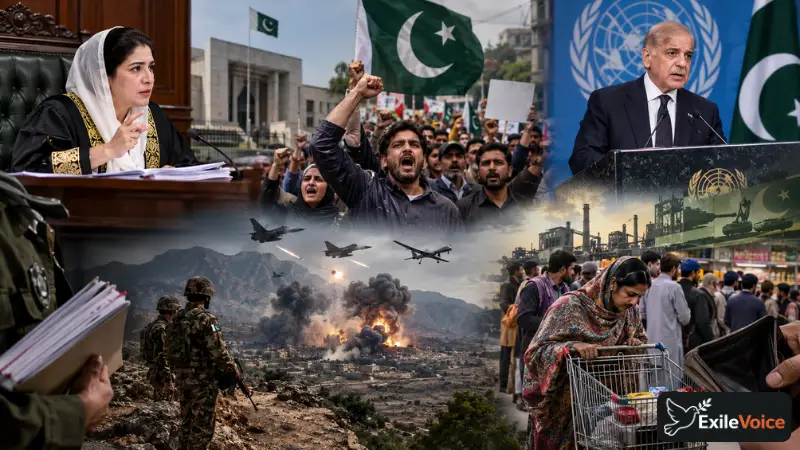
Pakistan faces interconnected political, economic, and institutional crises as judicial controversies, opposition boycotts, and cross border security clashes reshape the national landscape. In Lahore, judicial proceedings generated significant media attention following unusual courtroom observations by Lahore High Court Chief Justice Miss Justice Aalia Neelum. During hearings regarding police First Information Reports, the court publicly criticized the small font size and legibility of official law enforcement documentation, directing the Inspector General of Punjab Police to institute administrative reformations. Critics and civil rights activists, however, noted that high profile petitions regarding unlawful detentions under the Maintenance of Public Order ordinance face systemic delay, reflecting wider public skepticism toward institutional priorities.
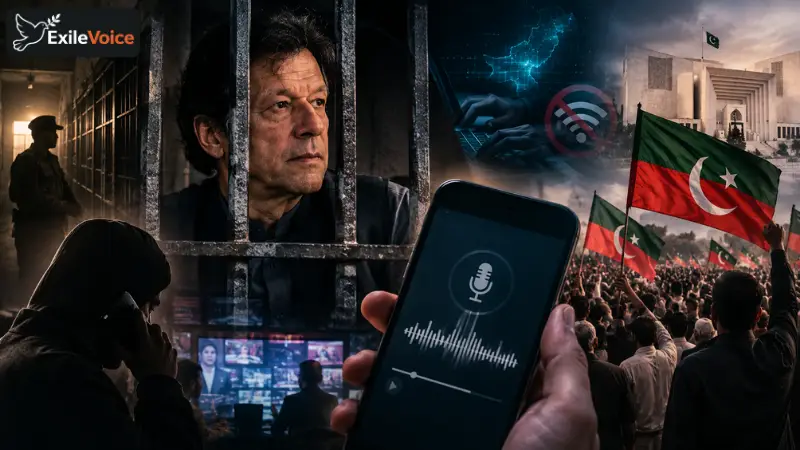
Concurrently, public resentment over severe economic strain has translated into organized protest strategies driven by political opposition figures. Opposition movements led by the Pakistan Tehreek-e-Insaf party have advocated for a consumer boycott targeting public sector commercial entities and corporate enterprises affiliated with military conglomerates. Prominent political figures, including former National Assembly Deputy Speaker Qasim Khan Suri and political analyst Dr. Shahbaz Gill, have publicly aligned with these economic resistance campaigns, calling on citizens to boycott state linked consumer brands and military managed industrial goods. On the diplomatic stage, Prime Minister Shehbaz Sharif presented Pakistan's foreign policy and regional security position during address engagements at the United Nations General Assembly in New York. The administration highlighted ongoing anti-terrorism operations and domestic stabilization efforts, attempting to secure international economic cooperation. However, domestic critics pointed out that state leaders face mounting challenges at home, including growing dissatisfaction over official government delegations utilizing extensive protocol and fiscal resources during times of severe public inflation.
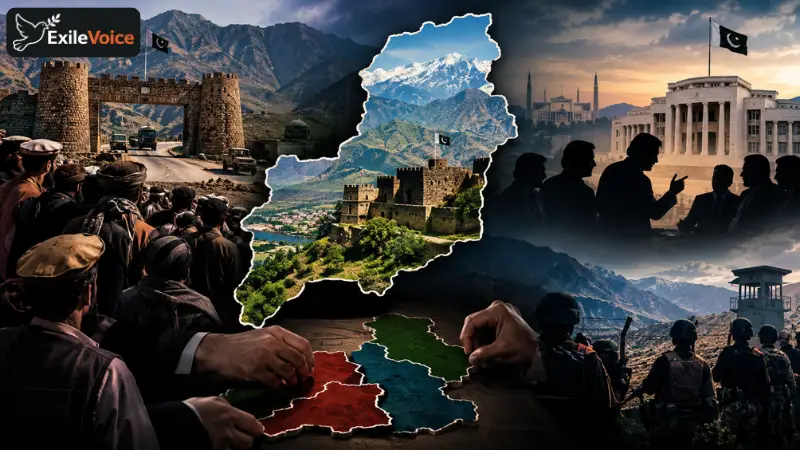
The national stability picture is further complicated by dramatic security escalations along the western border. Pakistani armed forces reportedly carried out targeted air strikes and drone operations against cross border militant installations inside Afghanistan, spanning regions such as Kandahar, Paktia, and Khost. Official sources framed these military actions as retaliation against repeated cross border insurgent drone incursions. The regional friction underlines the heightened volatility confronting the government, as military confrontation along border areas coincides with expanding civil opposition movements inside the country.