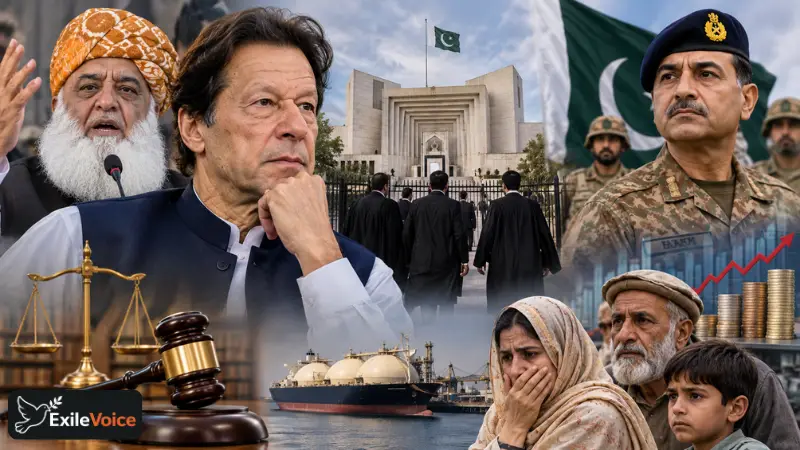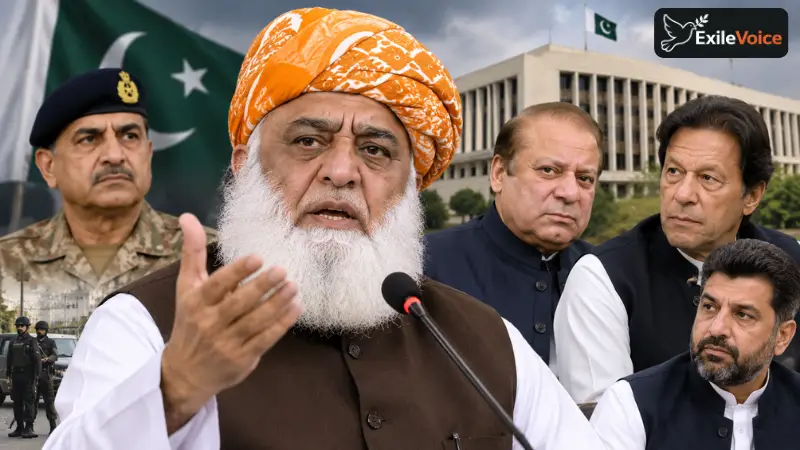
Recent political discourse in Pakistan has highlighted a sharp escalation in rhetoric between prominent political leaders and military establishment figures. Maulana Fazlur Rehman openly addressed institutional policies, trade routes, and governance structures, pointing to strategic shifts within regional administration and economic management. Observers note that these developments underscore deeper realignments within the opposition and coalition frameworks, as various political factions navigate the evolving balance of power.
The discourse also touches upon administrative challenges in Khyber Pakhtunkhwa, where figures such as Provincial Assembly Speaker Babar Saleem Swati face detention and legal hurdles. Family representatives and legal advocates have appealed to international parliamentary bodies, highlighting restrictions on political figures and ongoing disputes over legislative authority. These events reflect broader systemic friction concerning governance, regional autonomy, and the enforcement of emergency measures across the provinces.
Furthermore, internal dynamics within major political parties continue to draw analytical focus, particularly regarding shifting alliances and public statements by key political figures. As the political arena adapts to these pressures, analysts are closely monitoring how institutional interactions and legal challenges will shape the trajectory of governance and political stability in the months ahead.