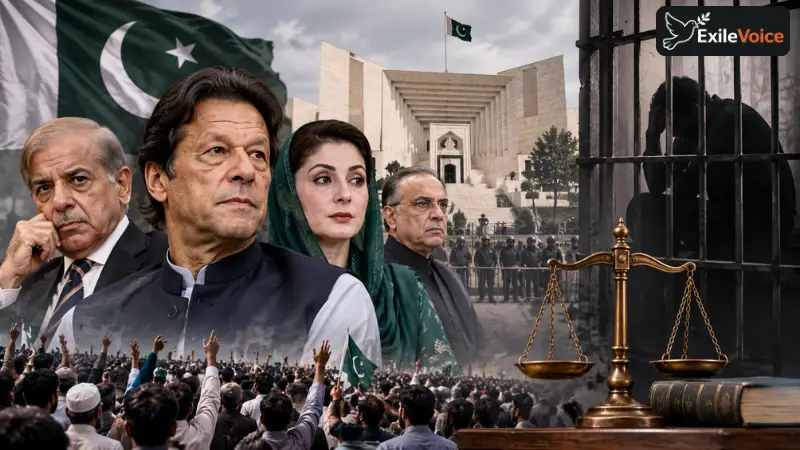

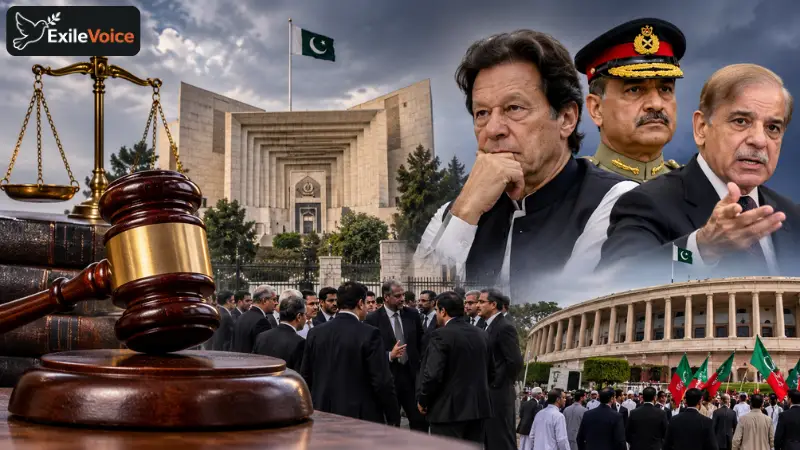
Institutional and legal friction in Islamabad continues to intensify, marked by controversial judicial decisions and high-profile political developments. Recent rulings by appellate and constitutional benches have sparked intense debate among legal experts and political analysts regarding judicial independence and due process. In Khyber Pakhtunkhwa, provincial legal challenges emerged after high court relief granted to detained political workers under the Maintenance of Public Order ordinance was subsequently restricted by higher judicial interventions. Legal practitioners note that these procedural bottlenecks severely limit the ability of detainees to secure timely legal remedies.
Concurrently, controversies surrounding legislative nominations and reserved seats have deepened distrust between political parties and election authorities. Discrepancies involving party quotas and parliamentary representations have led to public disputes, with political entities openly questioning administrative decisions regarding assembly memberships. These developments unfold against a backdrop of ongoing legal proceedings involving prominent political figures, where defense teams navigate complex judicial hurdles under stringent constraints.
Observers emphasize that the accumulation of overlapping legal disputes and administrative maneuvers reflects a deeply strained governance framework. As political stakeholders trade accusations over institutional alignment and procedural fairness, public confidence in legal recourse continues to face severe systemic challenges.