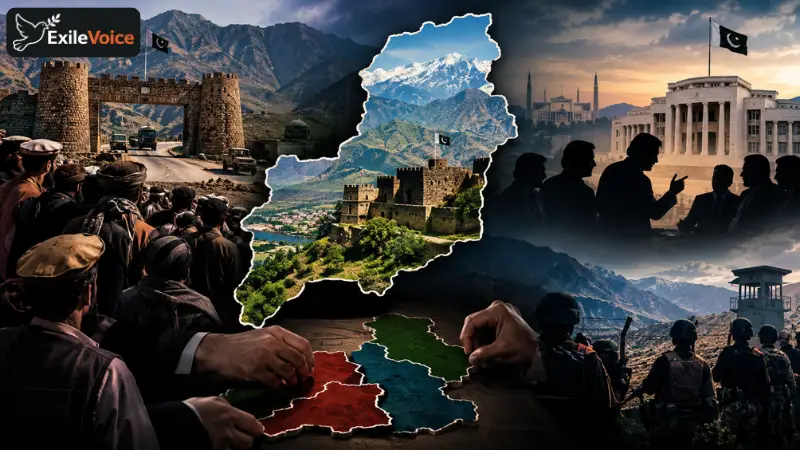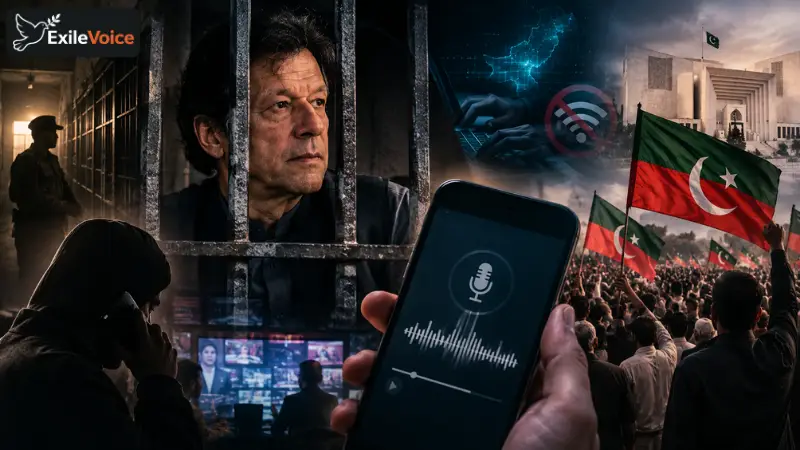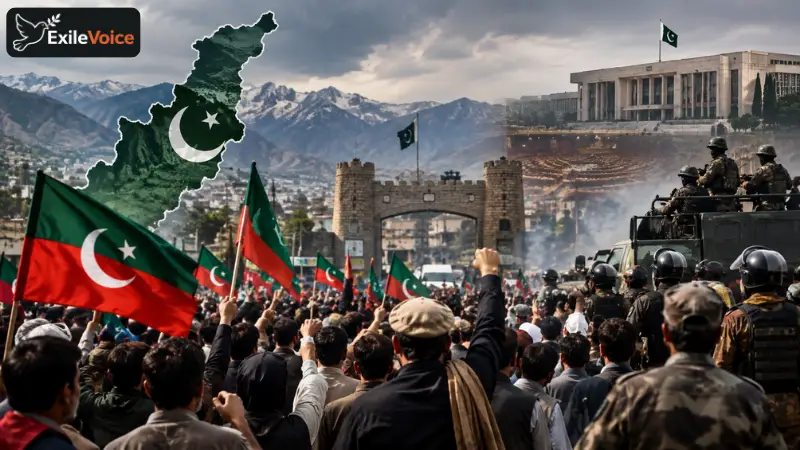
The political landscape in Pakistan has entered a turbulent phase following heightened tensions in Khyber Pakhtunkhwa (KP). Recent discussions, public sentiment assessments, and political commentaries highlight growing civil unrest and friction between regional leadership and federal strategies. The introduction of emergency measures and potential governance shifts have triggered widespread public reactions, transforming regional grievances into active street demonstrations.
Citizens across various districts have expressed deep concern over the suspension of standard legislative processes and the implementation of administrative frameworks that bypass elected representatives. Protesters argue that such measures undermine democratic principles and restrict the fundamental rights of the local population. Public gatherings and rallies have intensified, demanding the restoration of complete civilian oversight and an immediate halt to coercive actions against political workers.
Political analysts emphasize that the current standoff reflects deep seated structural issues within the federation. The friction between the central administration and regional political forces creates an environment of uncertainty, severely impacting economic stability and administrative continuity. Local leaders have called for immediate dialogue, warning that prolonged confrontation could push the region into deeper instability. Civil society organizations have similarly urged restraint from all parties, emphasizing that sustainable solutions can only emerge through constitutional compliance and respect for public mandates.
As developments continue to unfold, the international community and domestic stakeholders are closely monitoring the security apparatus and governance responses in Peshawar and surrounding areas. The trajectory of these demonstrations will likely shape the broader national political narrative, testing the resilience of democratic institutions and the federal structure of the country.