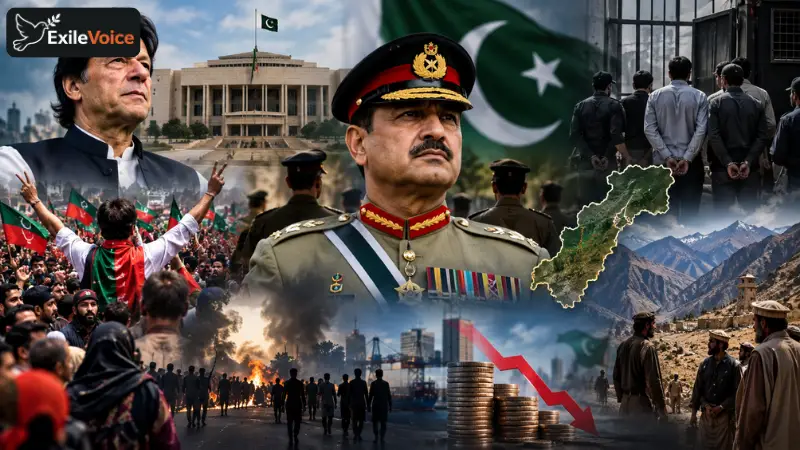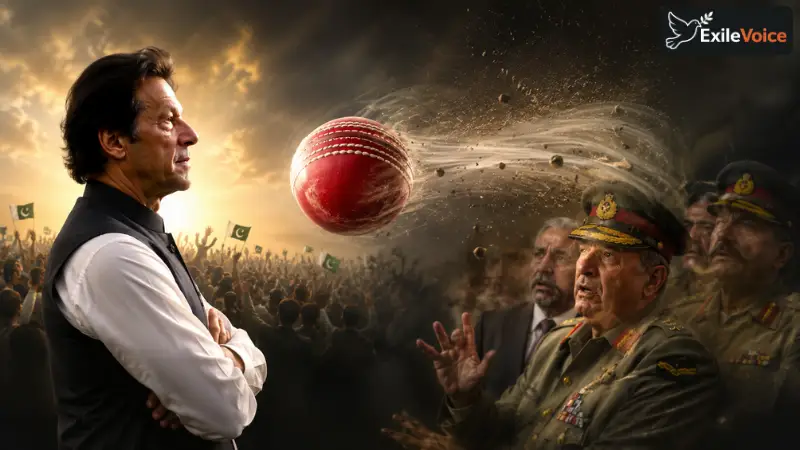
The art of reverse swing in cricket is defined by generating an unexpected behavior from the ball that the batsman cannot anticipate. Originally mastered and refined by legends of the sport, this tactical unpredictability has recently found a powerful parallel in the realm of geopolitical and domestic political analysis in Pakistan. Observers note that recent attempts by high-ranking state and military figures to isolate former Prime Minister Imran Khan have backfired significantly, producing an effect akin to a tactical surprise that rebounds directly onto the initiators.
Efforts to suppress or censor commentary surrounding Khan have increasingly created friction on international platforms. When sporting bodies and broadcasting agencies attempt to intervene or control narratives during high-profile international tours, the news often propagates further, drawing global scrutiny. Rather than containing the discourse within domestic borders, attempts at suppression have amplified international media coverage. Prominent outlets, financial journals, and prominent sports figures have begun weighing in, turning what might have been local political friction into a matter of international discourse.
This dynamic illustrates the limits of conventional narrative control in a hyper-connected media landscape. When institutional pressures clash with widespread public sentiment and global visibility, heavy-handed interventions frequently lead to public relations setbacks. Analysts suggest that the ongoing friction highlights a broader systemic challenge regarding governance, transparency, and the management of political dissent in contemporary states.