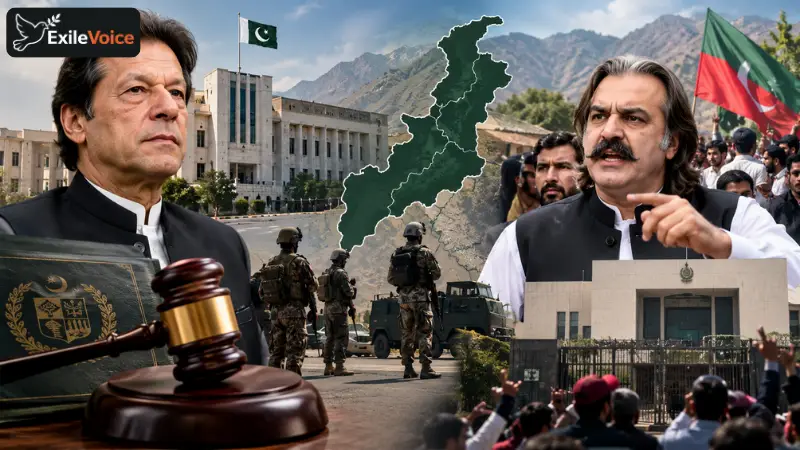
The administrative landscape of Khyber Pakhtunkhwa has entered a highly volatile phase characterized by acute institutional friction, targeted abductions of elected representatives, and a expanding rift between provincial authorities and federal security structures. Recent high profile incidents in Peshawar have brought long-simmering tensions into open conflict, raising urgent questions regarding constitutional boundaries, provincial autonomy, and the effectiveness of current counter-terrorism operations across the region.
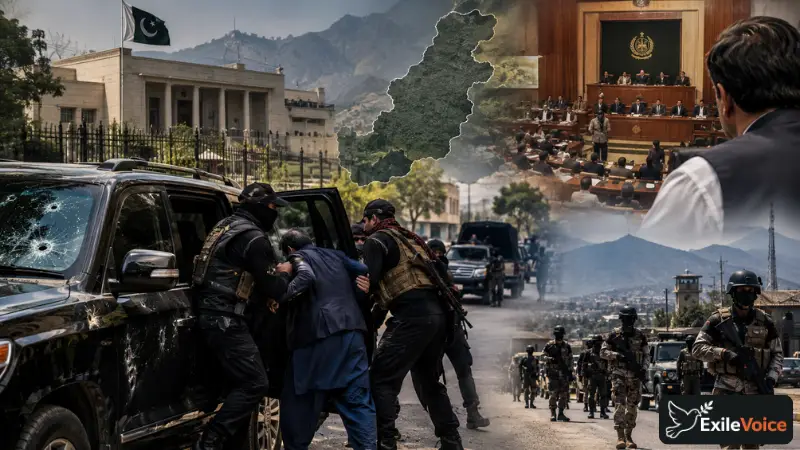
The crisis reached a tipping point following the open daylight abduction of provincial cabinet minister Fazal Shakoor alongside the forced disappearance of Hashmat Khan, the son of a Sitting Member of the Provincial Assembly. These operations were executed in strategic zones near key government installations in Peshawar, including the Peshawar High Court, the Provincial Assembly building, and key administrative headquarters. Armed individuals in unmarked vehicles intercepted the minister's vehicle, firing direct shots into the tires and forcing the vehicle to a halt before forcibly removing the official. Similar tactics were reported in the abduction of Hashmat Khan from a commercial site. The brazen nature of these actions within heavily monitored security sectors highlights a critical failure in local law enforcement oversight or an intentional circumvention of provincial jurisdiction by federal security organs.
In response to these unprecedented developments, Khyber Pakhtunkhwa Assembly Speaker Babar Saleem Swati convened an emergency legislative session to address what members termed a direct assault on provincial sovereignty and the rule of law. During the proceedings, legislative leaders expressed deep concern over the impunity with which non-identified armed groups operate in the provincial capital. The speaker highlighted a striking institutional paradox: despite two decades of intensive military deployments, five army divisions, and over 125,000 security personnel stationed in the province, non-state insurgent strength reportedly remains static at roughly 4,000 active operatives. This stagnation raises severe questions regarding current counter-insurgency doctrines and resource allocation.
Central to the conflict is the governance structure of the provincial police force. The leadership of the Khyber Pakhtunkhwa police, specifically the Inspector General of Police, remains directly controlled by appointments from the federal government. Provincial lawmakers argue that this administrative arrangement renders local law enforcement subservient to federal directives, effectively sidelining local elected leadership during security crises. Calls from provincial leaders to replace federal police leadership with autonomous local command structure reflect deeper structural flaws in Pakistan's federal framework, where provincial administrations bear political responsibility for law and order without operational control over security institutions.
The political ramifications of this institutional standoff extend far beyond administrative disputes. The targeting of cabinet members and political activists belonging to the ruling provincial party signals an alarming escalation in the use of state machinery for political suppression. Lawmakers warned that such actions risk rendering provincial governance redundant, reducing elected assemblies to symbolic bodies incapable of protecting their own members. As political friction deepens, the state faces growing risks of systemic paralysis in a crucial border province already vulnerable to external security threats and internal instability.