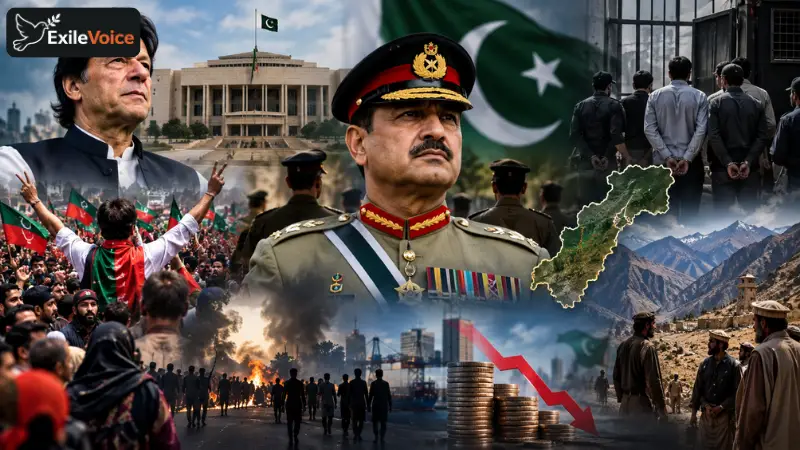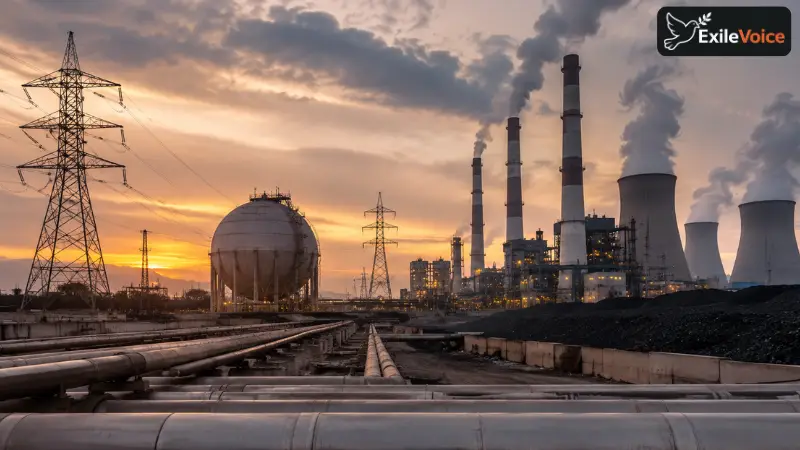
The economic framework of Pakistan faces persistent structural challenges, with energy security and fiscal management remaining critical areas of concern. Recent market reports indicate significant strains regarding energy procurement, particularly concerning liquefied natural gas supplies and emergency tender pricing. These fiscal constraints directly impact domestic infrastructure, resulting in potential disruptions to power distribution and heightened operational costs for state utilities.
Managing fiscal deficits requires navigating stringent international financial frameworks while addressing domestic demands for subsidized energy and essential services. The reliance on emergency imports amidst fluctuating global commodity markets underscores the fragility of the national energy grid. Policymakers face the dual challenge of ensuring uninterrupted power supply for industrial and residential sectors while adhering to fiscal consolidation targets mandated by economic stabilization programs.
Beyond immediate supply concerns, long-term economic resilience depends on structural reforms within the energy sector, including tariff rationalization, reduction of circular debt, and enhancement of domestic resource utilization. Addressing these systemic issues is essential for mitigating inflationary pressures, supporting industrial growth, and restoring investor confidence. The interplay between macroeconomic stability and daily energy management remains a decisive factor in shaping the broader economic outlook.