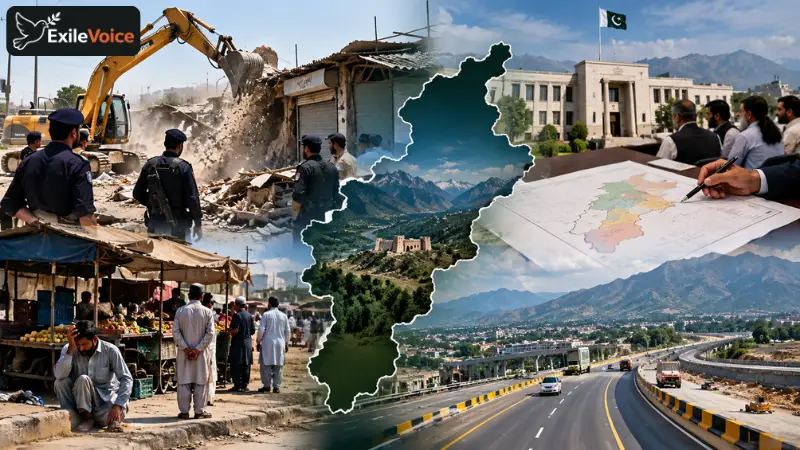

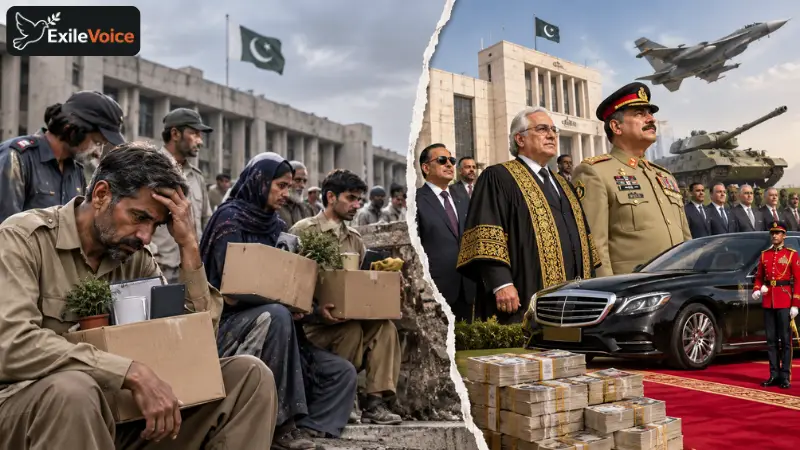
Recent fiscal adjustments in Pakistan have highlighted stark disparities between government austerity measures applied to lower-tier public employees and the expanding expenditure allocated to elite governance and military structures. Reports indicate that various administrative departments, particularly within Punjab, have terminated thousands of lower-grade positions. Affected roles include security guards, gardeners, sweepers, and office assistants, with justification tied to severe budgetary constraints and an inability of the state to sustain payroll burdens for entry-level personnel.
Concurrently, reports underscore substantial financial allocations directed toward high-ranking officials and state infrastructure. Adjustments in compensation for senior judicial figures, parliamentary leadership, and federal ministers reflect a significant upward revision in monthly allowances and salaries. Furthermore, large-scale financial outlays have been approved for defense budgets and high-value governmental assets, including the procurement of luxury transport. Observers note that these parallel developments occur against a backdrop where international financial organizations estimate a significant portion of the population living below the poverty line, intensifying public debate regarding resource distribution and fiscal priorities.