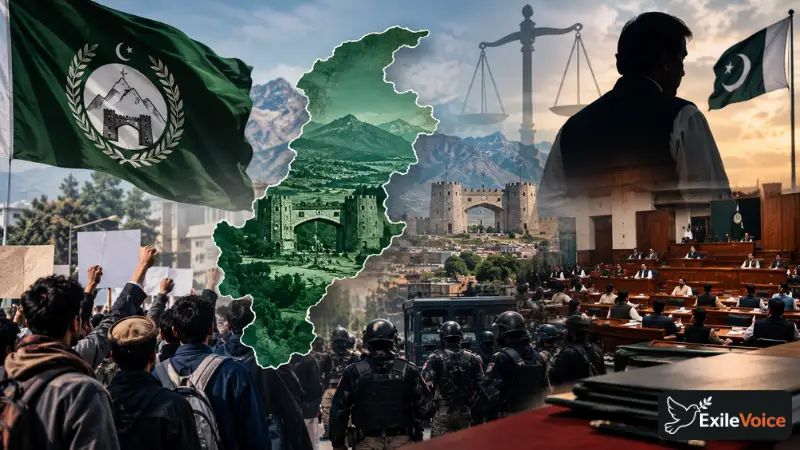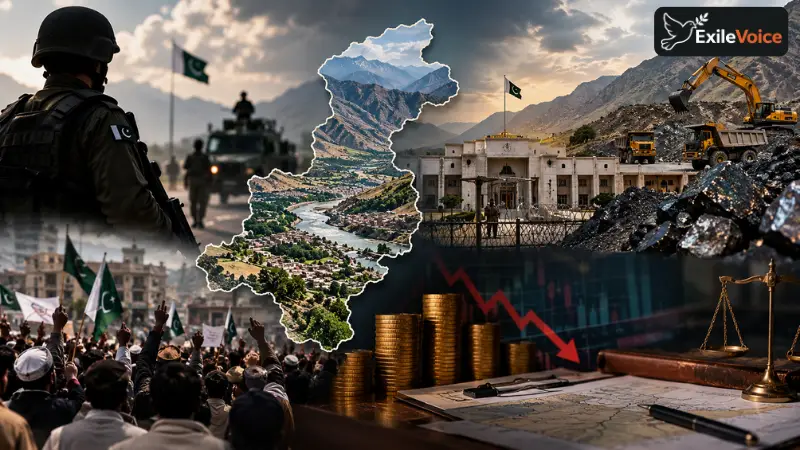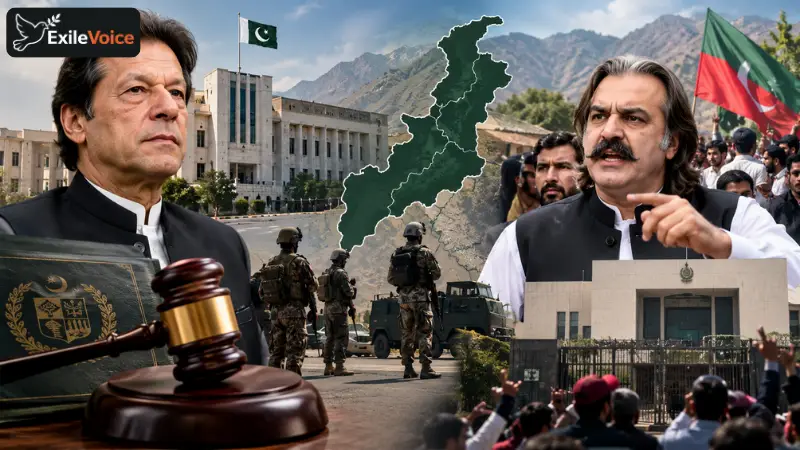
The political landscape of Pakistan has entered a turbulent phase following the declaration of a state of emergency and governor rule in the Khyber Pakhtunkhwa province. This decisive move marks a significant escalation in the ongoing friction between federal authorities and regional political forces, particularly the Pakistan Tehreek-e-Insaf party. Critics and political analysts have scrutinized the timing and legal justifications behind invoking constitutional articles 232 and 234, which suspend normal provincial legislative functions and establish direct federal oversight through an appointed advisory council.
The imposition of emergency governance has drawn widespread condemnation from various political factions, creating rare moments of alignment between disparate opposition figures. Legal experts and party leaders have argued that overriding a provincial mandate held by tens of millions of citizens undermines the foundations of constitutional democracy. Furthermore, the suspension of the provincial government's rules of business has effectively sidelined elected representatives, replacing them with a technocratic administrative structure. This shift has raised serious questions about the balance of power between federal institutions and provincial autonomy, threatening to deepen existing polarization across the federation.
Amidst these administrative changes, regional security concerns have emerged as a central justification for federal intervention. Authorities point to persistent security challenges and alleged militant dynamics within western districts as the primary drivers for extraordinary measures. However, regional leadership counters that security frameworks are being weaponized for political engineering rather than genuine counter-terrorism efforts. The resulting standoff has triggered localized protests, arrests of key political figures, and heightened uncertainty regarding civil liberties and the enforcement of rule of law.