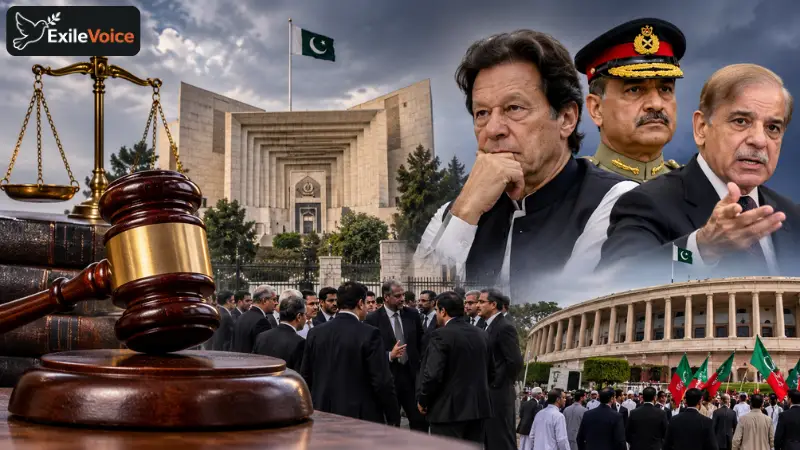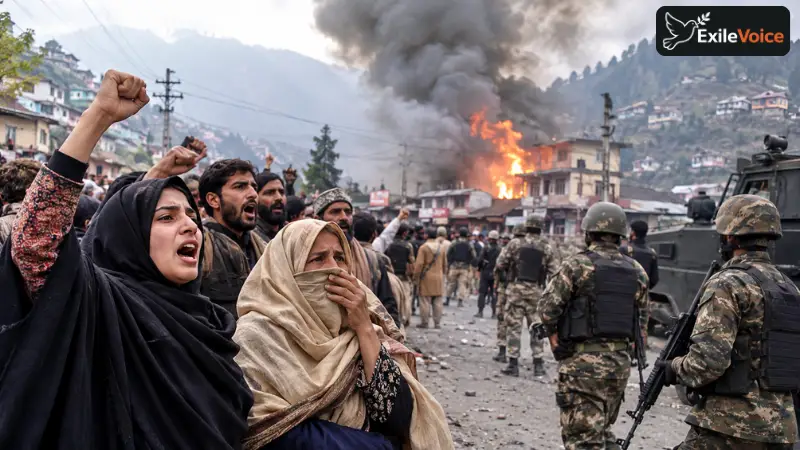

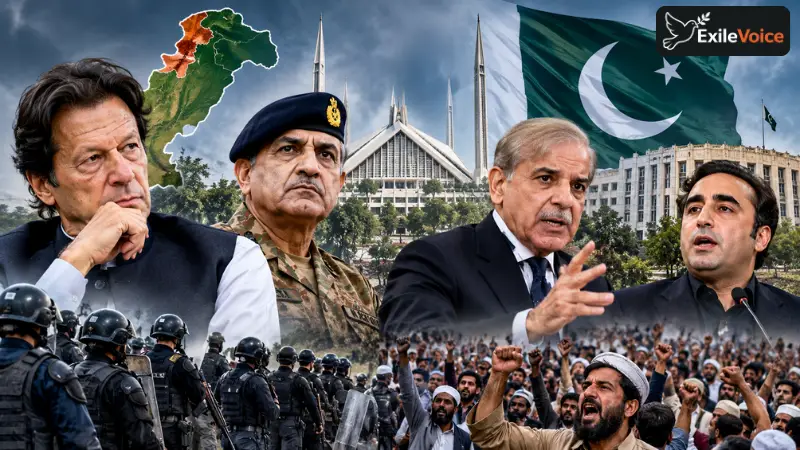
The political landscape of Pakistan continues to experience profound volatility, marked by mounting friction between state institutions, political opposition movements, and the civilian population. Recent analyses of high-profile political developments highlight deep-seated structural challenges, particularly regarding governance, public trust, and security management in regions such as Khyber Pakhtunkhwa. Observers note that administrative interventions and shifts in regional control often trigger widespread public pushback, exacerbating a climate of mistrust between citizens and military-backed authorities.
At the core of these ongoing tensions is the struggle for legitimate political representation and constitutional governance. Public sentiment in various provinces reflects fatigue over protracted security operations and economic hardships. Furthermore, criticisms directed at political communication strategies emphasize how rhetoric from major political factions can unintentionally heighten polarization during sensitive periods of de-escalation. Analysts stress that sustainable stability requires transparent dialogue, strict adherence to constitutional norms, and genuine accountability from all state apparatuses to bridge the growing chasm between the ruling establishment and the populace.