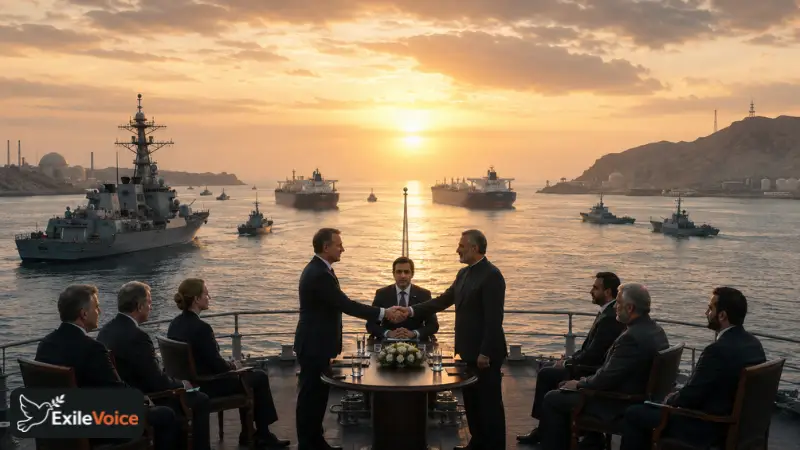
The global geopolitical landscape is witnessing a seismic shift as the United States and Iran reportedly edge closer to a formal understanding to end their recent hostilities. Central to this development is a one-page, 14-point Memorandum of Understanding (MoU) currently being negotiated through both direct and mediated channels. This potential breakthrough follows a period of intense military friction that saw significant infrastructure damage in Iran and a crippling maritime blockade in the Strait of Hormuz.
The proposed agreement represents a pragmatic pivot for the Trump administration. Facing internal pressure from an intelligence community and academia increasingly skeptical of a protracted conflict, the U.S. appears ready to trade sanctions relief for nuclear restraint. Key provisions of the deal include a moratorium on Iranian nuclear enrichment, likely spanning 12 to 15 years, and the release of approximately $27 billion in frozen Iranian assets. In return, Iran would commit to enhanced international inspections and a permanent pledge never to seek nuclear weapons.
The role of regional mediators, specifically Pakistan, has been highlighted as a critical catalyst in bringing both parties to the table. By leveraging its unique position and diplomatic "good offices," Pakistan has facilitated a dialogue that aims to lift mutual naval blockades within a 30-day transition period. This de-escalation is not merely a cessation of fire but a strategic recalibration. For the U.S., it offers an exit from a "forever war" scenario that lacks domestic political space; for Iran, it provides a vital economic lifeline through the restoration of international oil trade.
However, the path to a final treaty remains fraught with challenges. Hardline factions within the U.S. Congress and regional actors like Israel remain deeply wary of any concessions to Tehran. The success of this MoU will depend on the "gradual" nature of implementation, ensuring that each step of sanctions lifting is met with verifiable Iranian compliance. If successful, this agreement could redefine security architectures in the Middle East and provide a blueprint for resolving long-standing nuclear disputes through economic integration rather than kinetic force.