

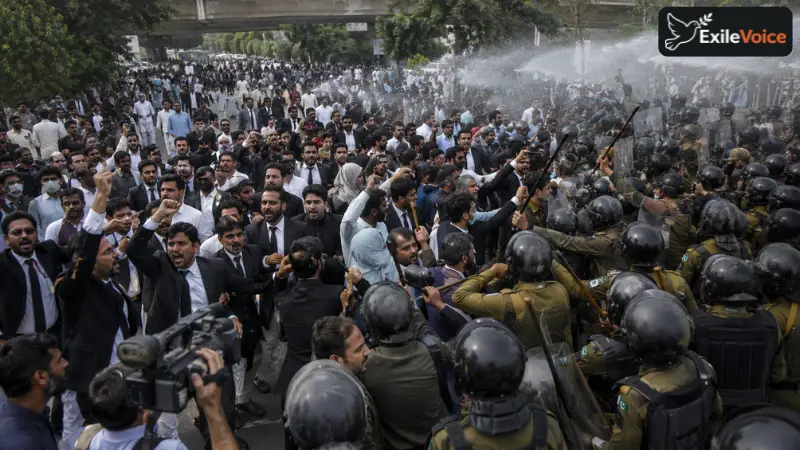
Recent developments in Lahore have brought the escalating political tensions in Pakistan back into sharp focus. A combined mobilization of lawyers and citizens took to the streets to register widespread public discontent. What initially began as an indoor gathering featuring speeches from prominent legal figures quickly evolved into a larger public demonstration as onlookers and community members joined the procession.
As the crowd expanded onto public thoroughfares, law enforcement agencies responded with heavy resistance and force. Reports from the scene highlighted clashes between protestors and security personnel, with various individuals detained during the ensuing dispersal. Media presence at the site faced intense pressure and intervention, reflecting broader challenges regarding information flow and institutional oversight within the country.
Political analysts and commentators note that such demonstrations underscore a shifting dynamic in public participation and grassroots mobilization. Despite the risks and administrative restrictions, civic groups and professional bodies continue to find avenues to voice their grievances concerning economic pressures, governance issues, and the general rule of law. Observers emphasize that strategic coordination and unified advocacy remain central to how opposition factions and civil society intend to address these structural challenges moving forward.

