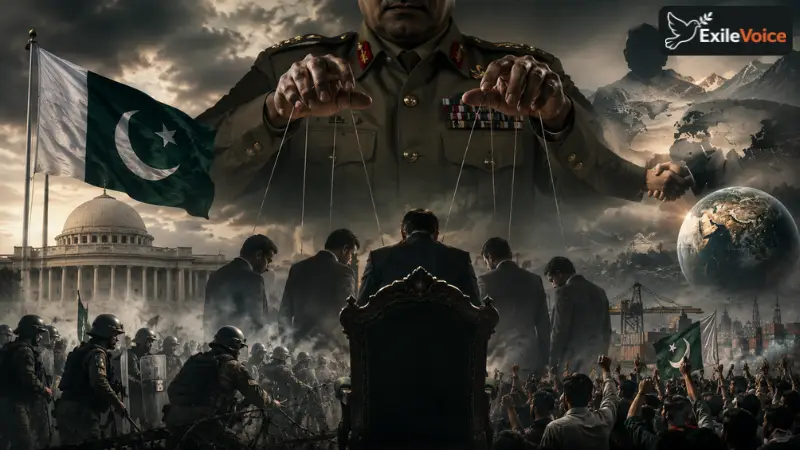
The concept of a "hard state", a term gaining traction in Pakistani political discourse, refers to a centralized, assertive state apparatus capable of dictating political trajectories. According to observers and analysts, this brand of statecraft, often associated with the influence of military and intelligence institutions, has fundamentally shaped the country's political evolution. This model of power assumes the capacity to both elevate political figures to prominence and dismantle them when they no longer align with state objectives.
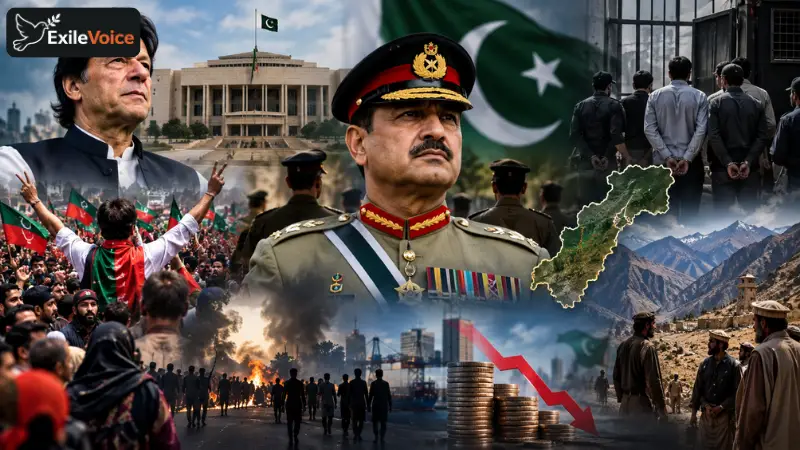
The current political environment in Pakistan is viewed by many as a testament to this structural rigidity. The persistent tension between civilian political entities and the "hard state" is evidenced by the continuous challenges faced by major political parties and their leadership. Analysts argue that this power dynamic is not merely a modern anomaly but a recurring feature of Pakistan’s political history, where the establishment’s influence frequently supersedes institutional democratic processes.
The complexity of these power structures is further illustrated by the state’s management of protests and political unrest. Observations regarding events such as those on May 9th suggest a calculated state strategy aimed at containment rather than immediate resolution. By allowing or enabling certain political reactions, the state apparatus effectively creates pretexts for legal and political interventions, effectively neutralizing opposition while maintaining a semblance of order.
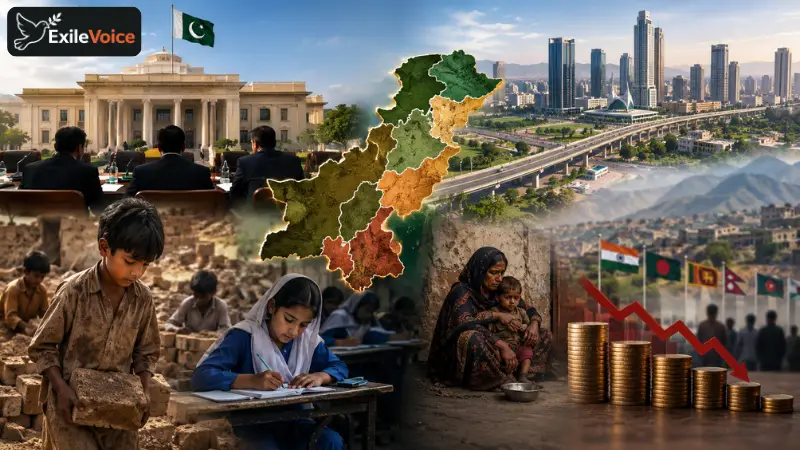
Furthermore, this internal power balance exists within a broader geopolitical context. Pakistan’s role in international diplomacy, such as facilitating direct communication channels between entities like the IRGC and the United States, demonstrates a high-stakes balancing act. While these international engagements may secure strategic advantages, domestic analysts frequently question the tangible benefits to the average Pakistani citizen, who continues to face severe economic challenges, including double-digit inflation and stagnant industrial growth.
Ultimately, the trajectory of Pakistan's political future depends on whether the state can reconcile its "hard" institutional posture with the demands of a modern, democratic society. As long as power remains concentrated within the establishment, the systemic instability and the disconnect between political elites and the citizenry are likely to persist, undermining long-term economic development and national cohesion.