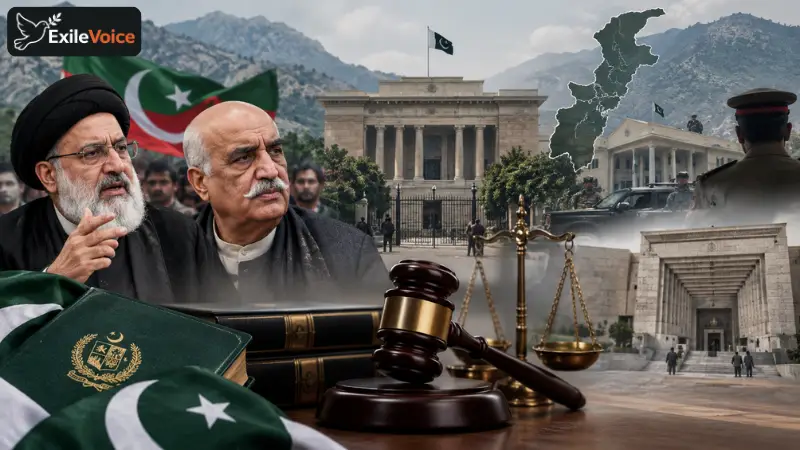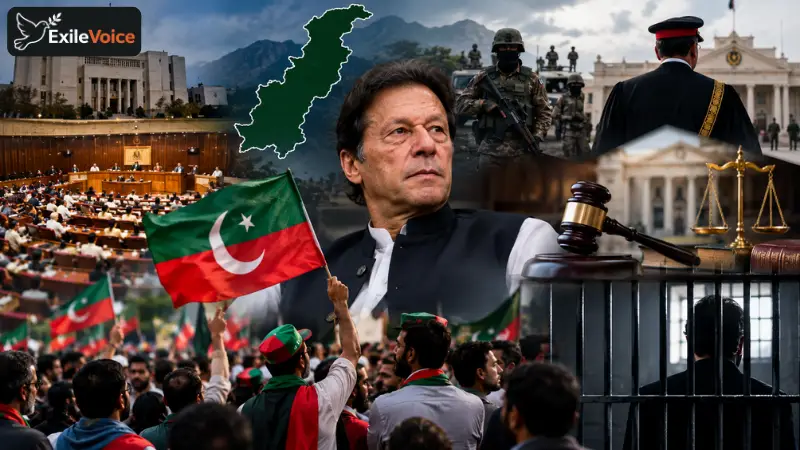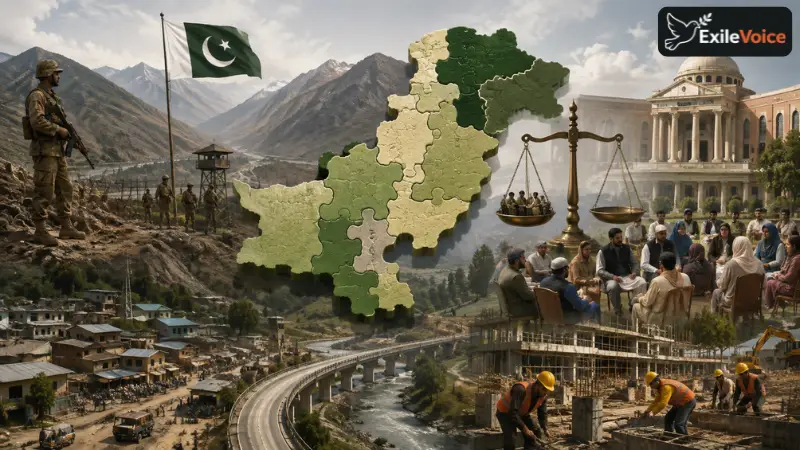
The structural challenges confronting Pakistan extend beyond central governance, manifesting acutely in regional administrative units and border areas. The relationship between the federal center and outlying regions, including Azad Jammu and Kashmir and the tribal districts, has become increasingly strained due to administrative bottlenecks, restricted economic mobility, and disputed electoral processes. Reports from recent regional elections indicate significant voter apathy and procedural boycotts, signaling a profound lack of public trust in established administrative mechanisms.
Simultaneously, security forces are engaged in countering asymmetric threats on multiple fronts. The resurgence of militant activities necessitates a recalibration of counterterrorism strategies and operational readiness. However, over-reliance on coercive measures without addressing underlying socio-economic grievances risks deepening alienation among local populations. Civil society actors and regional leaders continue to advocate for greater administrative autonomy, improved infrastructure, and the protection of fundamental constitutional rights to foster sustainable peace and integration.
Furthermore, the discourse surrounding administrative devolution has intensified. Proponents of structural reform argue that breaking down large administrative divisions into more manageable units could enhance governance efficiency and service delivery. As policymakers weigh various reform models, the overarching imperative remains the establishment of a cohesive, accountable, and responsive administrative apparatus capable of addressing the multifaceted aspirations of Pakistan's diverse populace.