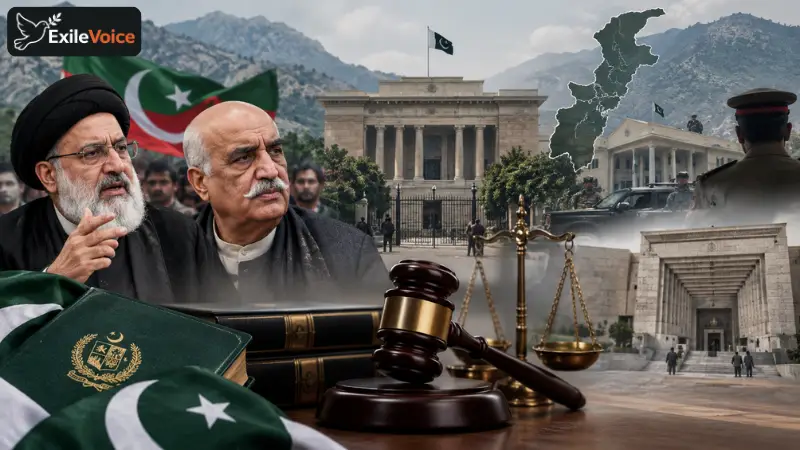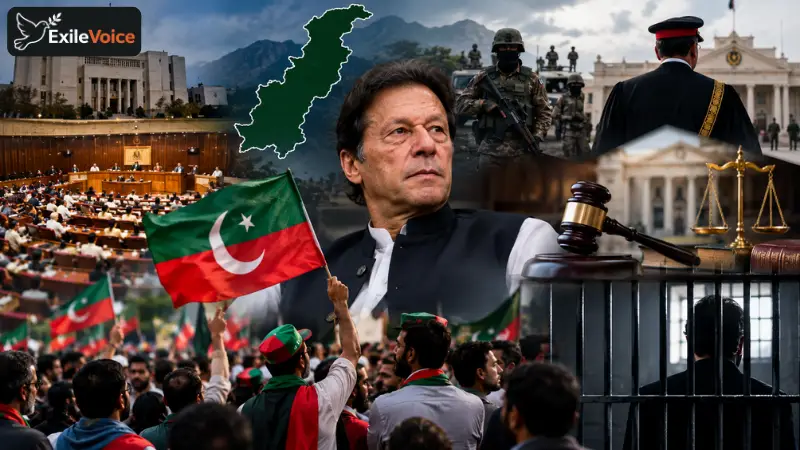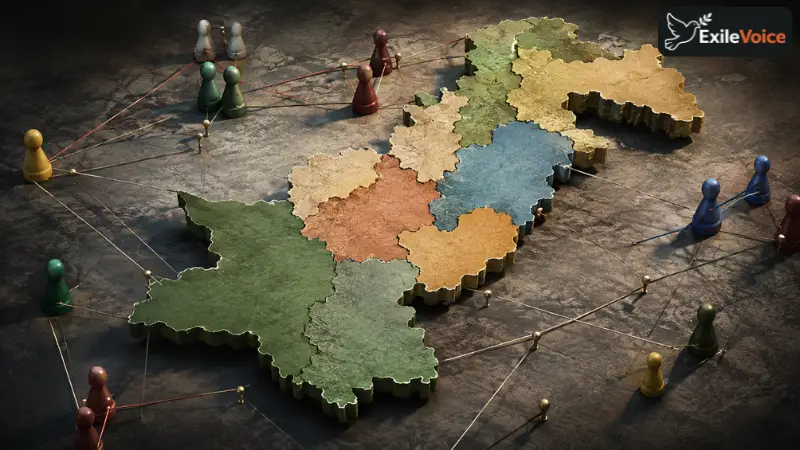
The debate surrounding the creation of new administrative provinces in Pakistan has resurfaced, drawing significant attention from political analysts and governance experts alike. Proponents of restructuring argue that breaking down oversized administrative units can help dismantle long-standing political inertia, stimulate local business creativity, and streamline civil services. Such reforms could potentially offer a secondary political class, individuals aspiring to leadership roles like chief ministers or ministers, fresh avenues for political participation and governance.
However, critical observers note that the motivation behind these structural changes extends far beyond mere administrative efficiency. Observers suggest that reshaping provincial boundaries can fundamentally alter the political landscape by fragmenting major national and regional parties into smaller, localized entities. By reducing the territorial reach of prominent political movements, centralized power structures can potentially consolidate their influence. While local governance and decentralized administration hold theoretical promise for economic and social development, the underlying political calculus reveals a complex power struggle between national leadership, regional stakeholders, and institutional planners.