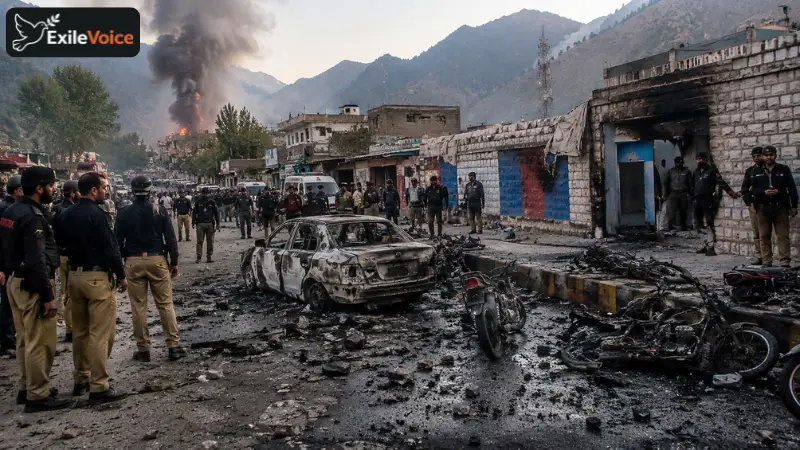
Recent security incidents in Khyber Pakhtunkhwa, including a tragic bombing outside a police station in Kabal, Swat, have intensified concerns over escalating militant violence. The incident, which occurred during a peace rally, resulted in significant casualties among law enforcement personnel and civilian bystanders. Local leaders and political figures have voiced deep skepticism regarding the precise motives and timing of such attacks, questioning the operational narratives provided by authorities.
The recurrence of security challenges across regions like Swat, Hangu, and Balochistan points to persistent vulnerabilities in internal security frameworks. Analysts note that militant activities frequently target frontline security personnel and ordinary citizens, raising critical questions about the effectiveness of counter-terrorism strategies. Addressing these security deficits requires a transparent evaluation of intelligence coordination, community engagement, and regional stabilization policies to restore public confidence and ensure the safety of vulnerable populations.