

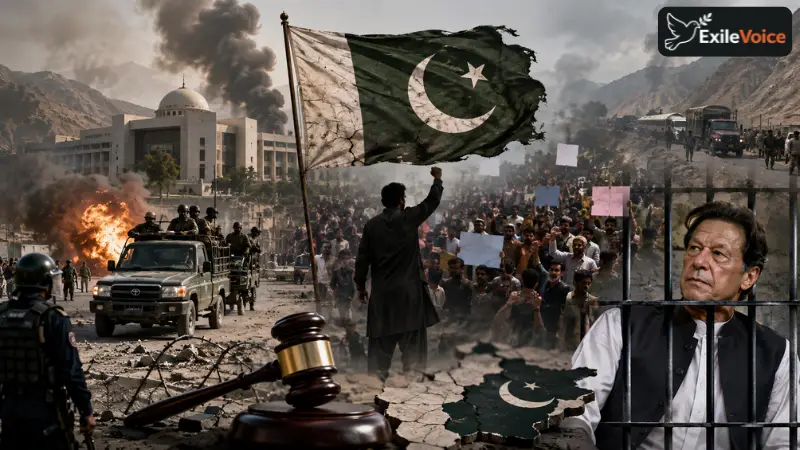
Pakistan is currently traversing a critical juncture characterized by escalating political turmoil, administrative fractures, and severe security challenges across multiple regions. The country faces unprecedented pressure as traditional power structures encounter mounting public dissent and institutional friction. Recent developments indicate that the governing framework is under immense strain, with systemic weaknesses becoming glaringly apparent to both domestic observers and international analysts.
The security landscape has deteriorated notably, with violent incidents reported from various fronts, including Khyber Pakhtunkhwa and Balochistan. Incidents such as the recent explosion in Swat underscore the persistent threat of militant resurgence and the heavy toll borne by law enforcement personnel. Concurrently, administrative blockades and civil disruptions in regions like Azad Jammu and Kashmir highlight widespread public frustration with governance deficiencies, restricted freedom of movement, and economic hardship. Protests organized by local action committees reflect a deepening disconnect between state policies and the socio-economic needs of ordinary citizens.
Political polarization remains a central driver of the ongoing instability. The incarceration of prominent political figures and allegations of electoral manipulation have galvanized opposition sentiments, leading to sustained agitation. As institutional stakeholders grapple with these compounding crises, debates regarding constitutional restructuring, the viability of presidential governance systems, and the decentralization of administrative divisions have gained traction. Analysts suggest that resolving these systemic challenges requires addressing the root causes of public grievances, upholding constitutional norms, and fostering genuine political dialogue to restore institutional credibility and national stability.

