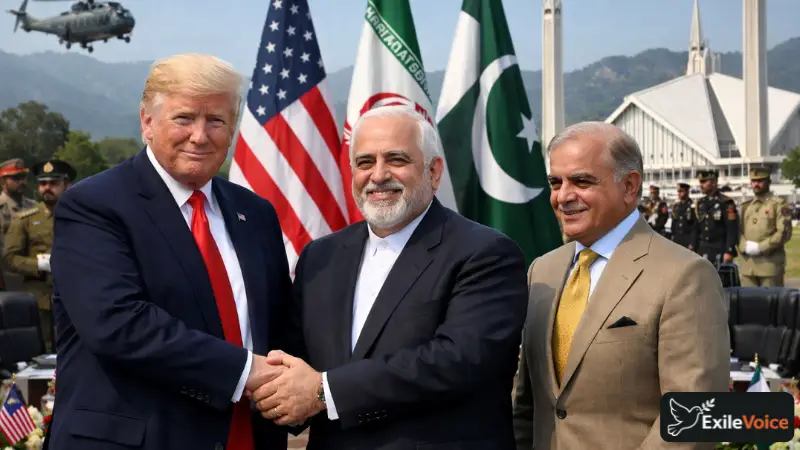
The global geopolitical landscape is witnessing a seismic shift as President Donald Trump indicates a possible visit to Pakistan to finalize a peace deal with Iran. This development, occurring in April 2026, marks a departure from conventional expectations regarding the Trump administration's Middle East policy. For months, analysts suggested that the administration was heavily influenced by regional lobbies that favored a confrontational stance toward Tehran. However, economic pressures within the United States, driven by rising inflation, high gas prices exceeding $6 in parts of the country, and growing unemployment, have seemingly pushed the President to prioritize a stabilizing peace agreement.
The catalyst for this potential visit appears to be a major breakthrough in negotiations regarding Iran’s nuclear status. According to recent reports, Iran has agreed to formalize its commitment to never develop nuclear weapons and is prepared to hand over its enriched uranium to a third party. While previous agreements like the 2015 JCPOA saw uranium moved to Russia, current indicators suggest Pakistan may now play this pivotal role as a custodian. This transition highlights a significant "win" for the Trump administration, allowing it to present a definitive end to the "nuclear threat" to the American public and the international community.
Pakistan’s role in this tripartite negotiation cannot be overstated. Prime Minister Shehbaz Sharif and the military leadership have reportedly worked as the primary mediators, successfully navigating the complexities that regional powers like Egypt and Turkiye could not resolve. High-level discussions, including a reported 15-hour marathon session involving Vice President JD Vance and subsequent diplomatic missions by Pakistani military leadership to Tehran, have laid the groundwork for this accord. The security measures currently being implemented in Islamabad, transforming the city into a virtual fortress, further signal that a high-profile summit is imminent.
The implications for such a deal extend beyond mere diplomacy. For the United States, it offers a path to lower global energy costs and reduce regional tensions that threaten economic stability. For Iran, the prize is the potential removal of primary sanctions, which would reintegrate the nation into the global financial system and allow for massive infrastructure development. For Pakistan, successfully hosting such a summit would elevate its status from a nation often viewed through the lens of security challenges to a globally recognized peacemaker.