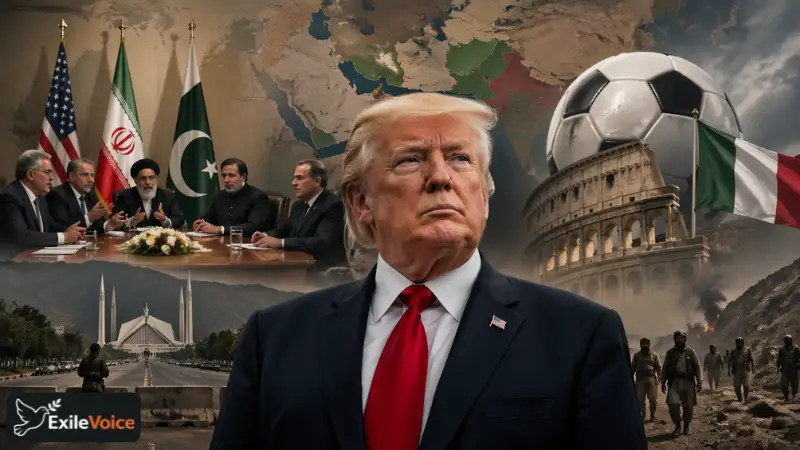
The influence of Donald Trump on global and regional stability continues to be a central theme in modern geopolitics, particularly concerning the delicate balance in South Asia and the Middle East. Recent developments indicate that the Trump administration is actively pushing for a second round of high-level negotiations in Pakistan, aimed at mediating regional conflicts. This proactive stance marks a significant shift in diplomatic engagement, with reports suggesting that the next phase of talks could commence as early as this Friday or Saturday in Islamabad.
The stakes for these negotiations are exceptionally high. The primary focus remains on the Iran-Pakistan-U.S. triangle. While the U.S. has maintained a firm stance on sanctions, it has recently granted 30-day waivers to ten countries to purchase oil from Iran and Russia. This "selective flexibility" highlights a pragmatic approach to energy security that Pakistan’s current leadership has struggled to capitalize on. Critics argue that while other nations successfully lobby for economic relief, Pakistan remains burdened by high energy costs due to a lack of effective diplomatic maneuvering and a failure to secure similar exemptions.
In a more unconventional move, Trump’s representatives have reportedly approached FIFA with a proposal to replace Iran in the World Cup with Italy. The rationale provided, that Italy’s four-time championship status warrants a place regardless of qualification, blurs the lines between sports and geopolitical pressure. While such a move would be unprecedented and likely face massive backlash for violating the "sporting spirit," it underscores the administration's strategy of using every available platform to exert pressure on adversaries.
Domestically in Pakistan, the preparation for these talks has led to the "sealing" of Islamabad, creating a paradoxical environment where high-level diplomacy for peace leads to the suspension of daily life for citizens. The contrast between the rigid security measures in the capital and the deteriorating security situation in Balochistan and Southern Khyber Pakhtunkhwa is stark. Maulana Fazlur Rehman has recently raised alarms that these regions are slipping out of state control, suggesting that the focus on "high-table diplomacy" may be neglecting the urgent internal security crises. As the "second round" of talks looms, the world watches to see if Trump’s brand of direct diplomacy can deliver tangible peace or if it will merely rearrange the geopolitical furniture..