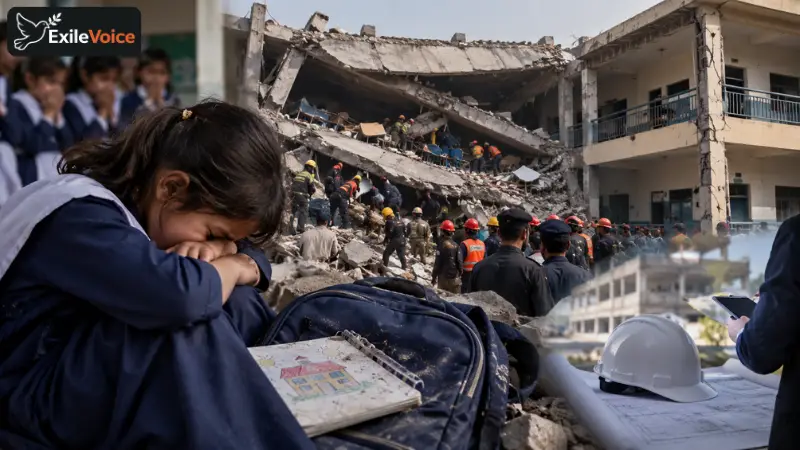
The recent emergence of distressing reports regarding child abuse across multiple cities in Pakistan has sparked a national conversation about the safety of minors and the integrity of the societal fabric. While individual cases are often met with police intervention or punitive measures, there is an growing consensus that these actions are insufficient to address the root causes of the problem.
Experts argue that a piecemeal approach to such a deep-seated issue will not yield the necessary protection for children. Instead, what is required is a comprehensive and integrated national strategy. This strategy must involve a multi-stakeholder approach, bringing together parents, educational institutions, religious leaders, legal experts, law enforcement, and the government. By fostering an environment where community members, from mosque imams to school teachers, are actively involved in protection and awareness initiatives, society can begin to address the underlying issues of social decay.
Furthermore, the integrity of academic and professional institutions, as seen in the recent discussions surrounding university leadership, remains critical to maintaining public trust. Ensuring transparent investigations into allegations of malpractice, such as fake credentials, is essential for the long-term health of these institutions. A society that fails to protect its most vulnerable while allowing systemic rot in its institutions faces a significant risk. Prioritizing child safety and institutional accountability must become the cornerstones of a renewed national effort to build a safer and more principled society.