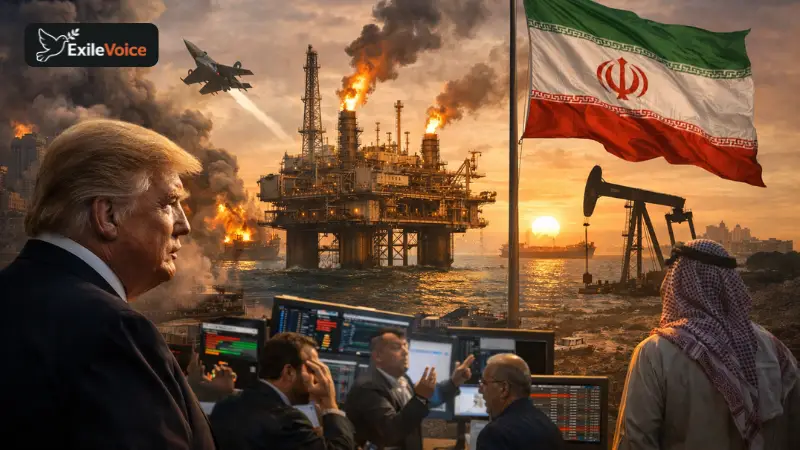
The current geopolitical landscape in the Middle East is undergoing a period of unprecedented turbulence, characterized by what many observers describe as "unpredictable and contradictory" diplomacy from the United States executive branch. Recent developments involving the Paras gas fields, a massive energy reserve shared between Iran and Qatar, highlight a significant shift in how Washington manages regional conflicts. President Donald Trump’s recent public commitments to guarantee the safety of these fields against Israeli strikes represent a curious departure from traditional military posturing. By offering these guarantees, the administration is effectively acting as a mediator for Israel, while simultaneously distance itself from previous military actions, claiming they occurred without prior American approval.
This strategic confusion is not merely a matter of rhetoric; it has profound implications for global energy markets. The volatility in the region has direct ties to the price of Brent crude oil. Despite international efforts to stabilize prices at approximately $100 per barrel, through measures such as the release of 400 million barrels by the International Energy Agency and the controversial lifting of sanctions on Russian oil for nations like Japan and India, the threat of Iranian retaliation remains a potent market driver. The "pain threshold" of the Gulf Cooperation Council (GCC) states is notably lower than that of Iran, which has demonstrated a high capacity to endure thousands of strikes while maintaining its strategic objectives. Iran’s retaliatory strategy appears focused on creating horizontal effects across financial and energy markets rather than mere structural destruction, a nuance that complicates the U.S. response.
Furthermore, the internal pressure on the U.S. administration is mounting. Experts suggest that the U.S. is losing its grip on the conflict’s trajectory, with the Iranian regime showing no signs of collapse despite significant "decapitation" of its leadership. This stalemate is creating a sense of isolation for Washington, evidenced by the cancellation of high-level diplomatic visits and the vocal displeasure of NATO allies. As the conflict drags into its third week without a clear resolution, the perceived decline of American power becomes a central theme of discussion among international academics and strategists