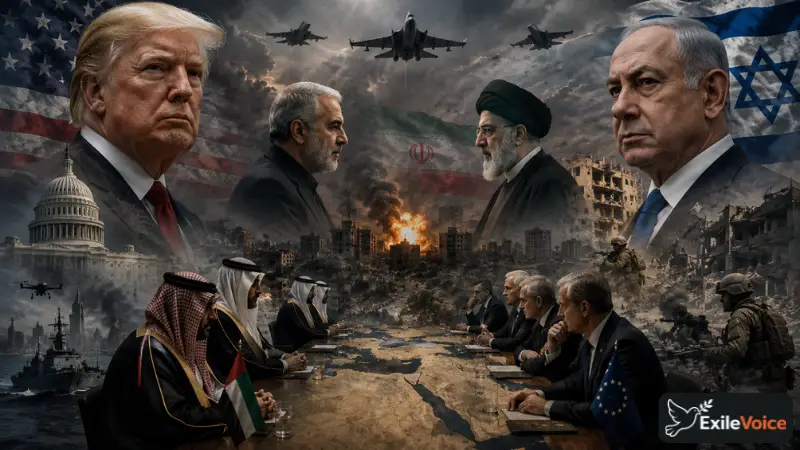
The current theater of conflict in the Middle East highlights a profound divergence between ideological rhetoric and the practical realities of global super-power diplomacy. Central to this dynamic is the current American administration led by Donald Trump, whose transactional approach to foreign policy has encountered a highly complex regional impasse. Despite assertive public declarations on alternative social platforms projecting immediate, sweeping diplomatic breakthroughs regarding Iran’s nuclear enrichment program, the reality inside Washington’s situation rooms tells a story of significant strategic hesitation. The administration's current diplomatic push revolves around a revised Memorandum of Understanding (MoU) presented to Iranian negotiators. However, this proposal is heavily complicated by internal domestic political constraints, particularly regarding the release of frozen sovereign financial assets via international banking channels. Having built a political brand on criticizing predecessors for sanction reliefs, the current executive finds himself trapped between a desire to claim a historic deal and the domestic political costs of appearing overly accommodating to Washington's long-term adversaries.
This diplomatic friction is further exacerbated by independent regional actors who view a potential Washington-Tehran stabilization package as a direct threat to their long-term existential objectives. The Israeli political establishment, headed by Prime Minister Benjamin Netanyahu, remains structurally opposed to any sustained diplomatic accommodation between the United States and Iran. Facing intense domestic pressures, legal vulnerabilities, and an inherently fractured coalition, the Israeli leadership has continuously used military leverage to reshape the diplomatic environment. Each time a negotiated settlement between global powers and Iran nears a breakthrough, regional military operations in neighboring sovereign territories, such as Lebanon and the Gaza Strip, see a sharp intensification. The continuous airstrikes across Beirut and the systematic expansion of operational zones are interpreted by defense analysts as direct efforts to provoke an escalatory response from regional state actors, effectively derailing Washington’s diplomatic initiatives and forcing the American military apparatus to remain locked into an adversarial posture.
Simultaneously, the geopolitical landscape is complicated by the evolving strategies of the Gulf states. While smaller, highly assertive maritime nations like the United Arab Emirates explore independent intelligence and technological collaborations to counter regional rivals, organic historical states like Saudi Arabia are acting with far greater institutional caution. The Saudi leadership, navigating internal generational transitions and safeguarding its ideological standing across the wider Muslim world, refuses to enter synthetic diplomatic pacts without concrete, legally binding security guarantees and sovereign concessions from Western powers. Consequently, any agreement brokered under the current global framework lacks structural stability. It represents a temporary pause rather than a permanent resolution, creating a volatile environment where regional military escalations can easily override international diplomatic efforts.