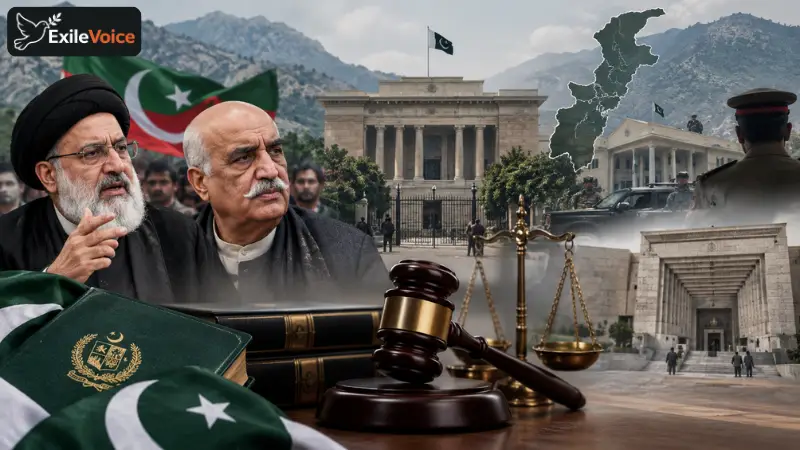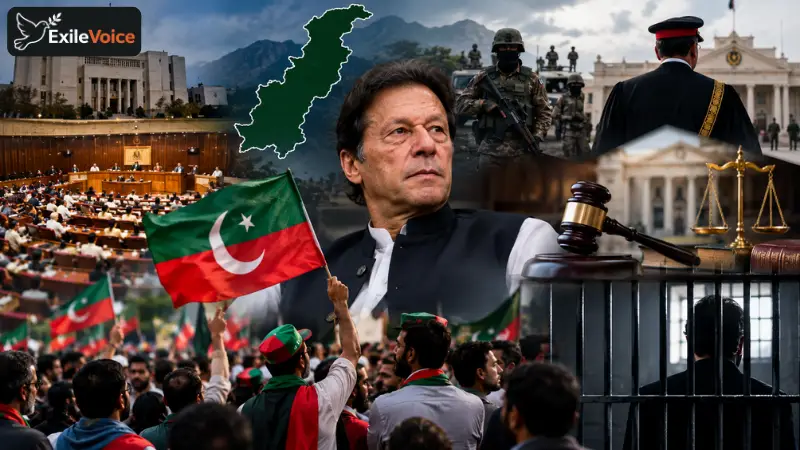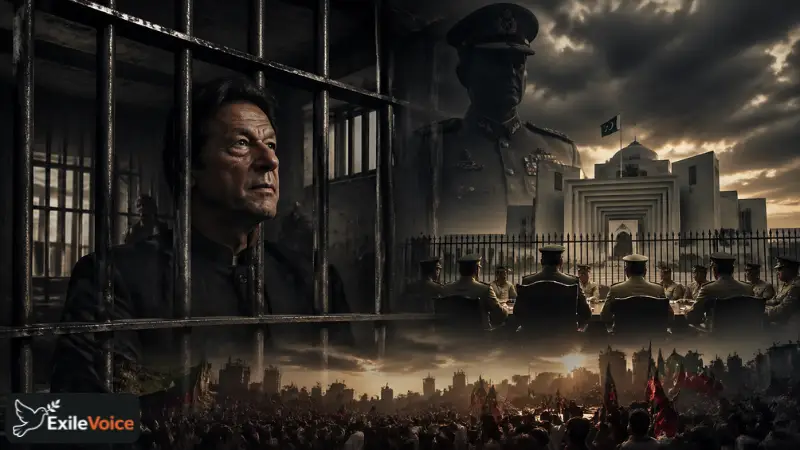
As of late April 2026, the political atmosphere in Pakistan is marked by a somber milestone: the completion of 1,000 days in detention for former Prime Minister Imran Khan. This period of incarceration, primarily centered within the walls of Adiala Jail, represents one of the most significant chapters in Pakistan's turbulent democratic history. The legal battles surrounding Khan’s release remain a focal point of national discourse, yet there is a growing consensus among analysts and legal experts that the "due process" typically expected in a democratic framework is being overshadowed by broader power dynamics.
The detention of a popular political figure for such an extended period raises critical questions about the stability of the state. Historical parallels are often drawn between Khan and former Prime Minister Zulfikar Ali Bhutto. However, observers note a distinct difference in the current climate. While past military interventions often replaced one civilian facade with another or governed openly, the contemporary "Garrison State" model appears to be an evolution. By implementing various constitutional amendments, most notably the 26th, 27th, and the proposed 28th, the current establishment is seen as attempting to create a hybrid system. This system maintains a civilian face while centralizing administrative and judicial control within the military leadership.
Critics argue that this model mimics the centralized control of the Chinese Communist Party (CCP) but lacks the foundational socio-economic revolution that legitimizes the CCP's authority. In China, the party’s grip on power followed a massive struggle for economic distribution and sovereignty. In contrast, Pakistan’s current trajectory is viewed by some as a series of tactical "tinkering" with the constitution to consolidate power, lacking a clear economic vision for the populace. This consolidation has led to a perceived "strongman" stability, which history suggests often precedes significant periods of instability once the central authority shifts.
Furthermore, the pressure on the opposition, specifically the Pakistan Tehreek-e-Insaf (PTI), continues to mount. Plans for long marches and strategic meetings between senior leaders like Mahmood Khan Achakzai suggest a movement in flux, searching for a strategy that addresses both Khan’s health and his potential release. As the 1,000-day mark passes, the resilience of the political opposition faces its toughest test against a state structure that is becoming increasingly entrenched and legally insulated from traditional democratic challenges.