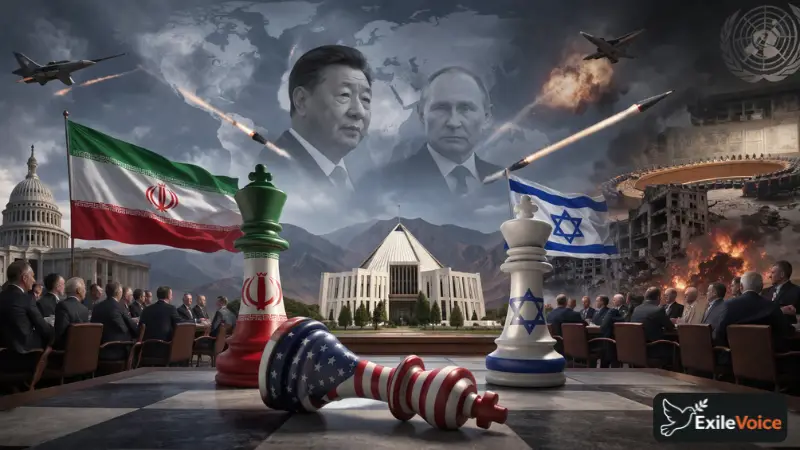
The recent intensification and subsequent cooling of hostilities between Iran and Israel have brought the international community to a critical juncture. For decades, the United States has maintained a position of undisputed mediation and military dominance in the Middle East. However, the events of April 2026 suggest a profound shift in this dynamic, a phenomenon strategic thinkers are increasingly labeling as America’s "Suez Moment."
Historically, the 1956 Suez Crisis marked the definitive end of the British Empire's status as a global superpower, signaling that it could no longer conduct major overseas operations without the explicit backing of the United States. Today, the situation appears reversed. The 40-day conflict between Iran and Israel has revealed significant limitations in American executive power. Despite the robust rhetoric from the Trump administration, the logistical and political realities of a ground invasion or a sustained coastal occupation in Iran proved insurmountable.
Internal pressures within the United States have played a pivotal role in this de-escalation. The American Congress recently refused a $200 billion funding request from the Pentagon, reflecting a domestic fatigue with "forever wars." Furthermore, the legal constraints of the 60-day War Powers resolution, expiring on April 29, placed a hard deadline on unilateral military action without Congressional approval. This domestic gridlock, combined with a "double veto" from China and Russia at the UN, has effectively tied the hands of the U.S. executive branch.
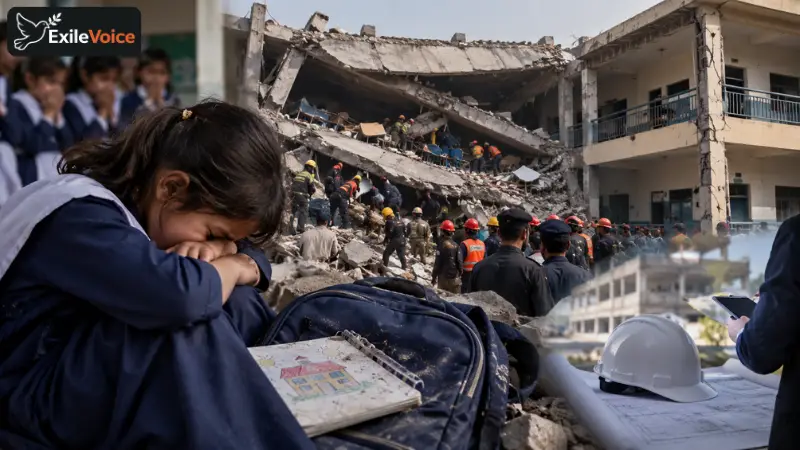
On the ground, the devastation in Iran has been immense. Reports indicate approximately 20,000 to 25,000 air raids targeting critical infrastructure, including oil depots, transport hubs, and educational institutions. Yet, Iran has emerged from this wreckage with a clear strategic objective: economic survival over nuclear brinkmanship. Their primary goal in the upcoming Islamabad talks is the removal of primary and secondary sanctions and the formal recognition of their sovereignty over the Strait of Hormuz.
The choice of Islamabad as a venue for peace talks is equally telling. It signifies a diversification of diplomatic platforms away from traditional Western hubs like Geneva or Muscat. As the U.S. delegation, led by Vice President JD Vance, prepares to meet Iranian representatives, the world is watching to see if this transition from "combat operations" to "diplomatic facilitation" marks a permanent retreat of American influence or a pragmatic realignment.