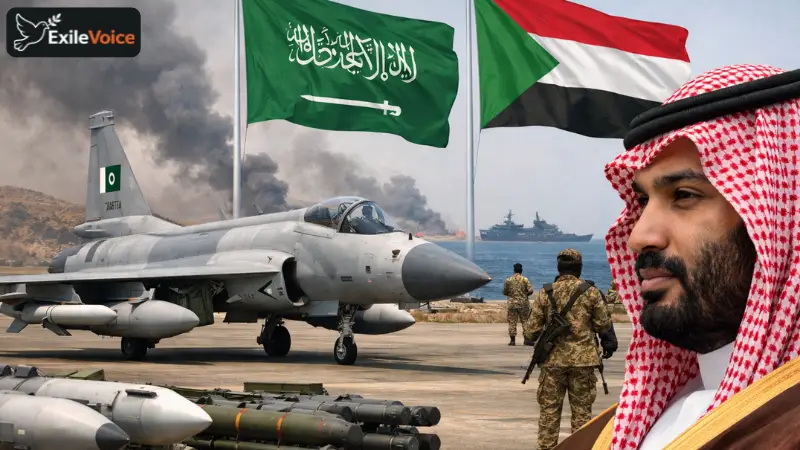
The intricate web of Middle Eastern geopolitics has once again caught Pakistan in its threads, leading to the sudden suspension of a major defense agreement. Recent reports indicate that a significant deal between Pakistan and Sudan, valued at approximately $1.5 billion, has been placed on hold. This deal was not merely a transaction of surplus equipment; it involved the sale of sophisticated fighter jets and missile systems, representing a major potential windfall for Pakistan’s struggling economy.
The suspension comes following direct intervention from Saudi Arabia. Riyadh expressed significant discomfort regarding the sale, likely due to the strategic importance of Sudan's position on the Red Sea. Sudan's stability and its political alignment are critical interests for both Saudi Arabia and the United Arab Emirates. Currently, Sudan is a theater for internal conflict between two rival groups, with regional powers backing different factions to secure their maritime and security interests.
For Pakistan, the cancellation is a bitter pill to swallow. High-ranking officials, including Khawaja Asif, had previously hinted that such defense exports could be the key to alleviating the nation's reliance on IMF loans. However, the reality of Pakistan’s financial dependence on Saudi Arabia, ranging from direct loans to oil on deferred payments, means that Riyadh’s "requests" often carry the weight of mandates. This development underscores a recurring theme in Pakistani foreign policy: the struggle to maintain an independent stance while remaining tethered to the financial lifelines provided by Gulf allies.
This incident mirrors past diplomatic hurdles, such as the cancellation of the Malaysian summit trip during the previous administration. It highlights the persistent challenge for Pakistani leadership to balance immediate economic gains from defense sales against long-term strategic partnerships with traditional allies. As the deal remains in limbo, the loss of $1.5 billion in foreign exchange further complicates the country's path toward fiscal stability.