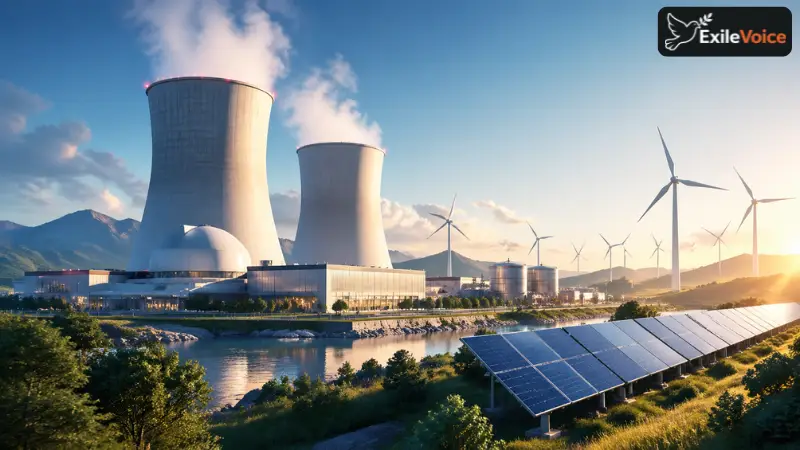
The global energy landscape is undergoing a fundamental transformation as nations grapple with the dual challenges of meeting rising electricity demand and achieving ambitious net-zero targets. For decades, nuclear energy remained on the periphery of the green energy conversation, often overshadowed by the rapid growth of solar and wind. However, a significant paradigm shift is occurring. Policymakers and industry leaders now recognize that a stable, carbon-free baseload is essential to support the intermittent nature of renewables. This realization has placed nuclear power back at the center of the strategic roadmap for energy independence and decarbonization.
The resurgence of nuclear energy is driven by technological innovation and a pragmatic approach to grid stability. Traditional large-scale reactors are being supplemented by Small Modular Reactors (SMRs), which offer a more flexible and cost-effective entry point for countries looking to scale their nuclear capacity. These SMRs can be deployed in diverse locations, including retired coal plant sites, leveraging existing grid infrastructure while providing a continuous power supply that weather-dependent sources cannot match. This reliability is the "missing link" in the transition, ensuring that as we electrify transport and heating, the grid remains resilient against fluctuations.
Furthermore, the geopolitical dimensions of energy have never been more apparent. Recent global supply chain disruptions and energy crises have highlighted the risks of over-reliance on imported fossil fuels. Nuclear energy provides a sovereign power source that can operate for decades with minimal refueling requirements, offering a hedge against the volatility of international gas and oil markets. By investing in nuclear, nations are not just buying power; they are purchasing long-term economic stability and security.
The integration of nuclear power into the broader energy mix also facilitates the expansion of other green technologies. For instance, the high-temperature heat produced by nuclear reactors can be harnessed for industrial processes or the large-scale production of hydrogen, a fuel critical for decarbonizing "hard-to-abate" sectors like heavy shipping and steel manufacturing. As the world moves toward a more integrated energy system, the synergy between nuclear and renewables will be the defining characteristic of successful energy economies.