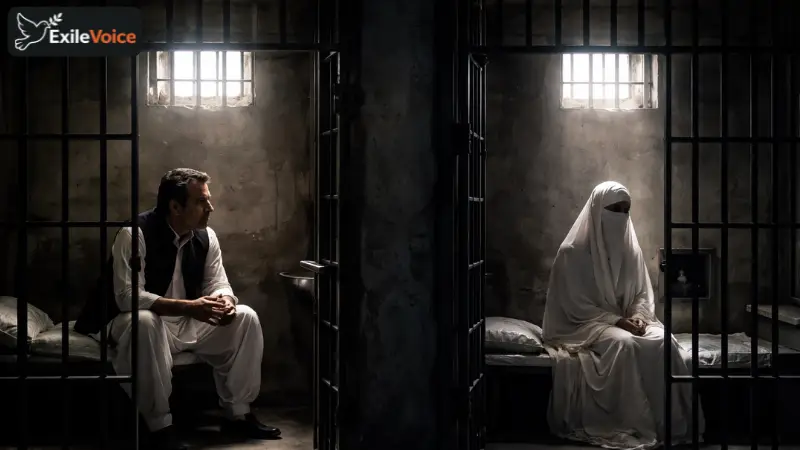
While Pakistan’s leadership makes headlines on the international stage, a darker narrative is unfolding within its borders. The incarceration and reported treatment of former Prime Minister Imran Khan and his spouse, Bushra Bibi, have raised serious questions about the country’s commitment to democratic norms and human rights. Recent legal debriefings suggest that both are being held in solitary confinement for up to 22 to 24 hours a day, a practice described by legal experts as "torturous."
The use of solitary confinement against political figures is rare and often seen as an extreme measure. Salman Safdar, counsel for the former Prime Minister, has highlighted the lack of access to family, legal representation, and even basic amenities like books or television. This isolation is not just a matter of personal hardship; it represents a broader systemic issue where the "state's benevolence" toward its citizens appears to be secondary to political maneuvering.
The paradox of the current administration is striking: while they project a message of peace and mediation to the world, the internal political environment remains fractured. The crackdown on political workers and the restructuring of opposition parties have led to a significant trust deficit between the government and the public. This deficit is exacerbated by economic pressures, including rising fuel prices and inflation, which disproportionately affect the common man.
For Pakistan to truly succeed in its "charm offensive" abroad, it must address the instability at home. Foreign investors and global partners look for internal cohesion as a prerequisite for long-term engagement. The ongoing treatment of political prisoners and the perceived lack of transparency in the judicial process could undermine the very diplomatic gains the leadership is seeking in Tehran and Riyadh. True stability requires a reconciliation between the establishment and the diverse political voices of the nation, from Balochistan to Khyber Pakhtunkhwa.