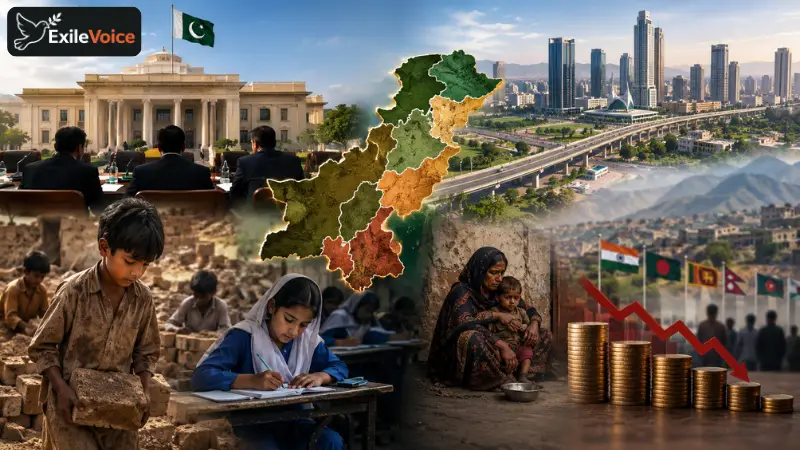
The Pakistani economy is currently grappling with deep-seated structural challenges, many of which remain hidden in plain sight. Among the most pressing issues is the massive scale of tax evasion within the tobacco industry. Recent data suggests that Pakistan consumes approximately 80 billion cigarettes annually, yet over 54% of these fall outside the formal tax net. This staggering figure represents an estimated Rs 300 billion in lost tax revenue, a deficit that continues to exacerbate the nation’s fiscal instability.
This fiscal crisis is further complicated by the political landscape, where short-term interests often take precedence over long-term economic reforms. The discussion around budget passing and government spending reveals a system designed to satisfy immediate institutional demands rather than ensuring national economic health. Critics argue that the current focus on passing annual budgets, including significant allocations to the military, without addressing systemic corruption, is a deliberate strategy to maintain the status quo.
For instance, the debate over budgetary allocations often ignores the potential to pass smaller, short-term budgets that could provide the government more flexibility and accountability. By prioritizing the immediate approval of the full budget, the administration ensures that existing commitments, such as the Rs 175 billion earmarked for the military, are fulfilled without adequate public scrutiny. This approach, coupled with the influence of controlled opposition groups, effectively neutralizes genuine calls for economic reform.
Ultimately, the goal of these strategies is to saturate the political market, ensuring that no alternative policy or group can challenge the existing power structure. As the nation faces a critical budget vote, the transparency of the process remains in question. Without substantive efforts to broaden the tax base and demand fiscal responsibility from all institutions, the economic burden will continue to fall on the public, while substantial revenue remains "lost in smoke".