A concerning humanitarian crisis is unfolding in the United Arab Emirates, where reports of targeted deportations based on national origin and sectarian identity are beginning to surface. Despite official denials from the Pakistani Ministry of Interior and Foreign Office, mounting evidence suggests that hundreds of Pakistani workers, predominantly from the Shia community, have been identified and forcibly removed from Abu Dhabi and Dubai. These accounts, documented by major international publications and supported by personal testimonies, reveal a systemic breakdown of what many mistakenly believed to be a "rule of law" within the Emirates.
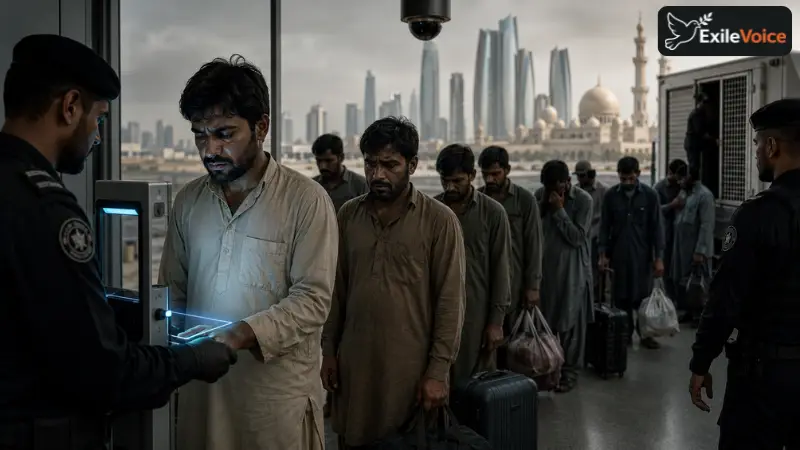
The process of identification often involves sophisticated surveillance. Personal accounts indicate that individuals are tracked via Emarati ID scans at religious centers. Those who attended specific mosques or community centers as far back as a year ago have found themselves summoned by police, detained without trial, and subjected to physical and verbal abuse before being summarily deported. The lack of transparency and legal recourse highlights a harsh reality: in many Gulf monarchies, the concept of "Rule of Law" as understood in Western democracies, where legal processes are transparent and rights are protected, simply does not exist for the expatriate labor force.
For Pakistan, the response has been characterized by a troubling "denialism." Rather than engaging in robust diplomatic efforts to protect its citizens, the government has largely dismissed the reports as social media rumors. A more effective strategy would involve using soft power and media channels to highlight these human rights violations. The UAE is exceptionally sensitive to its global image and invests heavily in PR and lobbying in Washington, London, and Brussels to maintain a modern, inclusive reputation. By failing to leverage this sensitivity through international human rights organizations and English-language media, the Pakistani state is failing its diaspora.
This crisis also reflects the changing "Regional Order." As the UAE moves closer to India and Israel, the traditional "brotherly" ties with Pakistan are being sacrificed for new strategic interests. This shift is not just about high-level politics; it has a human face, the face of an accountant or a laborer who suddenly loses their livelihood and safety. International bodies like Human Rights Watch and Amnesty International have attempted to sound the alarm, but without state-level support from the home countries of these workers, their voices remain marginalized. The protection of human rights in the Gulf must become a central pillar of regional diplomacy if the current "Regional Order" is to maintain any semblance of moral legitimacy.