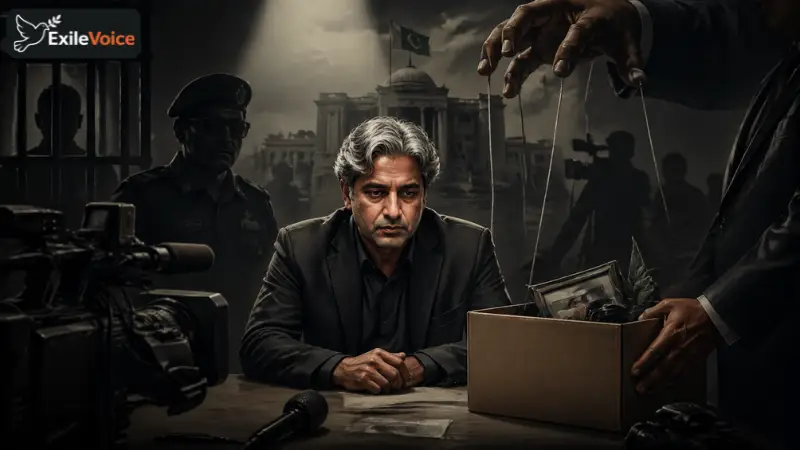
The sudden termination of veteran journalist Matiullah Jan from his position at Neo News serves as a grim reminder of the precarious state of press freedom in Pakistan. Jan, a prominent voice known for his critical stance on the country’s establishment and judicial system, was reportedly fired following a controversy involving foreign journalists at a local press club. While the official reasons may be couched in administrative or professional terms, the timing of the dismissal points to a broader trend of "economic censorship" and the systematic targeting of independent voices.
Matiullah Jan’s departure is not an isolated incident. The Pakistani media landscape has seen a revolving door of suspensions, terminations, and legal challenges aimed at journalists who stray from the state’s preferred narrative. From the months-long suspension of Hamid Mir to the ongoing absence of Kashif Abassi, the message to the journalistic community is clear: compliance is the price of employment. For those who refuse to "play footsie" with the powers that be, the consequences range from losing their livelihoods to facing physical abduction or imprisonment.
The current strategy employed by the state appears to have evolved. While the "forced disappearance" of journalists remains a brutal reality, there is an increasing reliance on "soft" measures, pressuring media house owners to fire problematic employees. This method is effective because it removes the journalist from their platform while avoiding the international outcry that follows a physical arrest. It creates an atmosphere of self-censorship where editors and reporters must constantly weigh the public's right to know against the risk of financial ruin.
The loss of Matiullah Jan’s platform is particularly significant given his history of resilience. Having previously survived an abduction, Jan had become a symbol of the "unbowed" journalist. His firing suggests that the state’s patience for dissent has reached an all-time low. As media houses struggle with falling revenues and increased regulatory pressure, they have become vulnerable to external directives. This erosion of the "fourth pillar" of democracy poses a fundamental threat to the transparency of the state and the accountability of its leaders. Without independent journalists to question the narrative, the public is left with a sanitized version of reality, tailored by the very institutions it should be scrutinizing.