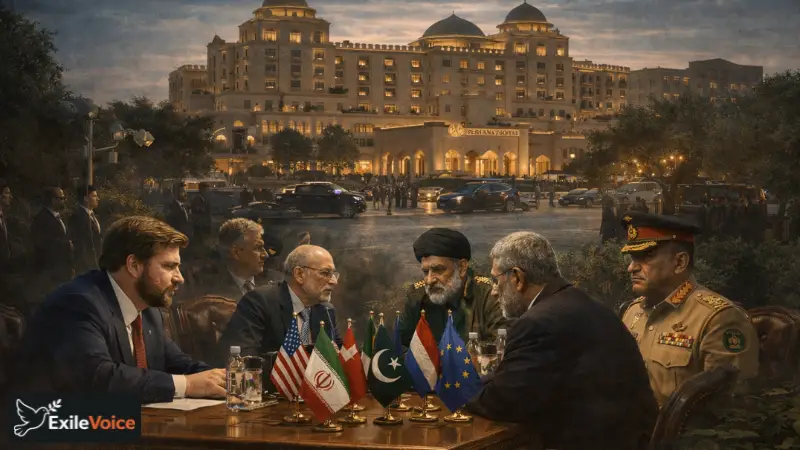
he Serena Hotel in Islamabad, traditionally known for its exquisite architecture and high-end hospitality, has suddenly become the focus of international attention. This 300-bedroom establishment is currently serving as the venue for high-stakes negotiations that could fundamentally alter the trajectory of global history. As delegations from the United States and Iran descend upon the Pakistani capital, the hotel has been transformed into a secure diplomatic bubble where the fate of regional security and global energy markets will be debated over the coming days.
The summit brings together a diverse array of power brokers, including U.S. Vice President J.D. Vance, Iranian parliamentary leader Mohammad Bagher Ghalibaf, and Pakistan’s Chief of Army Staff, General Asim Munir. The choice of Islamabad as a facilitator is significant, reflecting Pakistan’s strategic pivot toward a role as a regional mediator. However, the stakes extend far beyond the plush conference rooms. The primary objective is to move from a fragile ceasefire to a permanent peace agreement that addresses the root causes of the recent escalations, including maritime security in the Strait of Hormuz and the crippling economic sanctions faced by Iran.
Despite the optimistic veneer of diplomatic engagement, the talks are fraught with tension. On the eve of the summit, the Iranian delegation introduced two critical prerequisites for the commencement of formal negotiations: an immediate ceasefire in Lebanon and the unfreezing of Iranian assets blocked by the United States. These demands highlight the complex web of regional interests that must be navigated. For the U.S. delegation, led by the relatively young J.D. Vance, the challenge is to manage expectations while projecting a solid institutional presence that goes beyond the "family-style" diplomacy often associated with the Trump administration's inner circle.
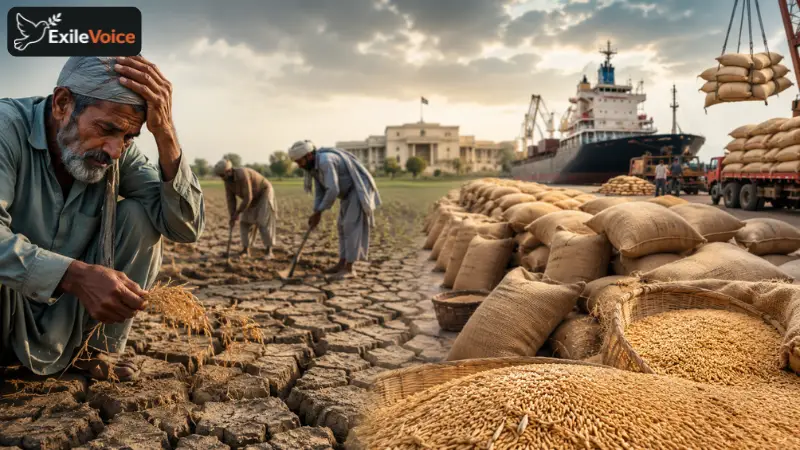
For Pakistan, the successful execution of this summit could provide a much-needed boost to its international standing. However, internal critics point to a disconnect between the regime's diplomatic successes and the economic reality of the average citizen. While the leadership celebrates positive coverage in prestigious outlets like the Wall Street Journal, the Pakistani public continues to grapple with record-high inflation and energy costs. The summit at the Serena Hotel is thus a dual test: one for global peace and another for the legitimacy of the Pakistani state's strategic choices in a rapidly shifting geopolitical landscape.