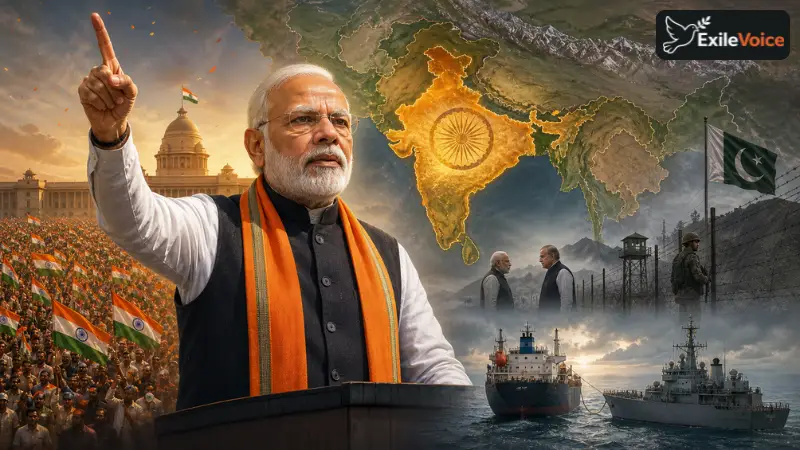
Away from the immediate conflict in the Persian Gulf, significant political shifts are occurring in South Asia that carry long-term implications for regional stability. Prime Minister Narendra Modi and the Bharatiya Janata Party (BJP) have demonstrated remarkable electoral resilience, securing major victories in recent state elections, including a historic win in West Bengal. This indicates that the BJP has effectively recovered from the setbacks of the 2024 general elections.
Analysis suggests that the BJP has established a "structural dominance" over Indian politics, reminiscent of the Congress Party’s hegemony in the 1950s and 60s. This dominance is built upon deep institutional penetration, strategic use of the caste system in electoral politics, and a strong alliance with major industrial conglomerates. For Pakistan, a politically strengthened Modi presents a challenging diplomatic environment. Relations remain strained following the fallout of operations like Pehalgam, which Modi views as a personal and strategic embarrassment.
In the midst of these tensions, small gestures of maritime cooperation provide a rare glimmer of hope. The Pakistan Navy’s vessel, PMSS Kashmir, recently provided technical assistance and relief to an Indian merchant ship, MV Gautam, which had stalled in the Persian Gulf. This act of "maritime bonhomie" stands in stark contrast to the high-level political hostility between the two nuclear-armed neighbors.
However, the overarching reality is that as long as Modi remains at the height of his domestic power, the prospects for a meaningful thaw in Indo-Pak relations remain dim. With the U.S. focused on the Iran crisis and the upcoming China summit, South Asian leaders must navigate a landscape where domestic political strength often dictates the limits of regional diplomacy.