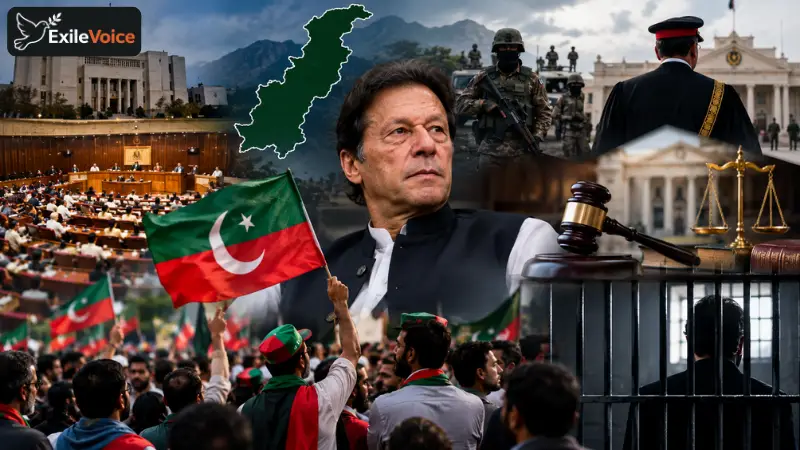
In recent years, the tone of political discourse in Pakistan has shifted toward extreme aggression, often manifesting in profanity and public confrontations. While government officials frequently attribute this "culture of abuse" to the influence of specific political parties, most notably the PTI, a deeper sociological analysis suggests that this phenomenon is a symptom of widespread public frustration rather than a top-down directive.
When a populace feels systematically disenfranchised, with their votes ignored and their economic survival threatened, the language of the street changes. In psychology, this is often linked to the "frustration-aggression hypothesis." When citizens lose faith in formal institutions, courts, police, and parliament, to address their grievances, they resort to the only tool left at their disposal: their voice. Whether it is an elderly man at a petrol pump or a woman confronting motorway police, the use of harsh language is a visceral reaction to a perceived lack of agency.
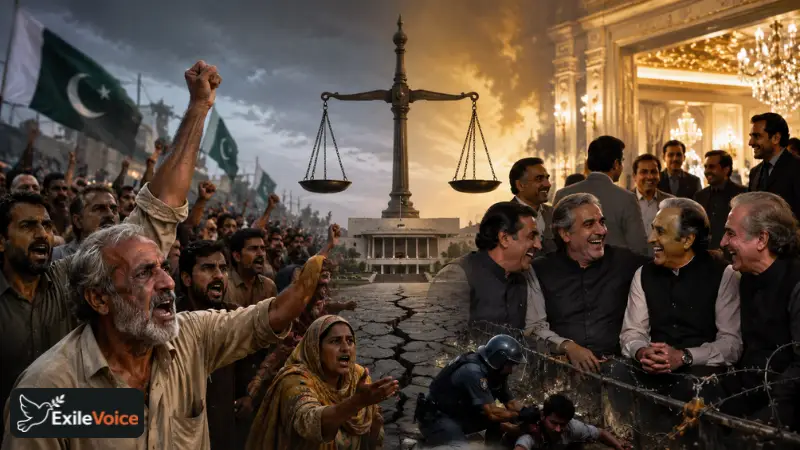
This trend is not unique to Pakistan. Similar patterns are observed globally, from the polarized rallies in the United States to heated political exchanges in the United Kingdom. However, in Pakistan, the disparity between the "ruling elite" and the "common man" exacerbates this tension. The public sees political leaders from opposing sides sharing laughs and attending lavish weddings together, while the workers of those same parties face imprisonment and harsh legal consequences. This visual of elite solidarity versus grassroots suffering fuels a sense of betrayal.
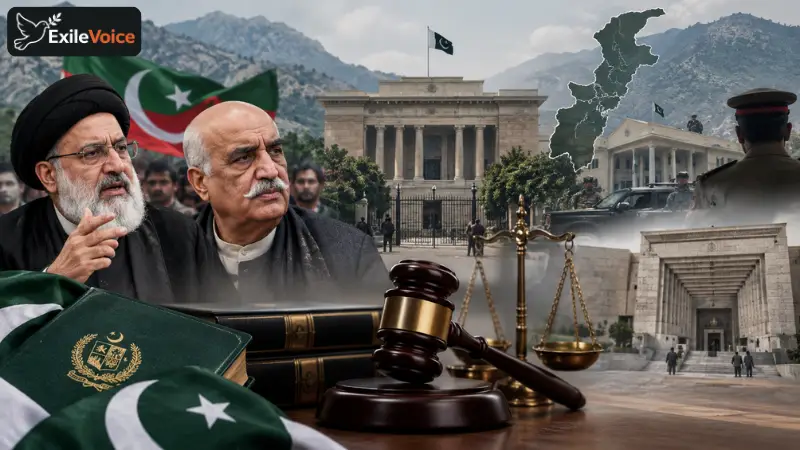
The recent controversy surrounding senior politicians using foul language in public further complicates the narrative. It debunks the claim that aggressive rhetoric is exclusive to one party or a specific "uneducated" class. Instead, it reveals a broader breakdown in civil decorum across the political spectrum. When senior figures normalize such behavior, it filters down to the masses, creating a cycle where civil discourse is replaced by vitriol.
To address this, the state and political leaders must look beyond the "symptoms" (the abuse on social media) and address the "disease" (the lack of justice and economic stability). Suppressing speech or blaming digital platforms is a temporary fix for a structural problem. Only when the public feels heard and respected by the state will the temperature of political rhetoric begin to cool.