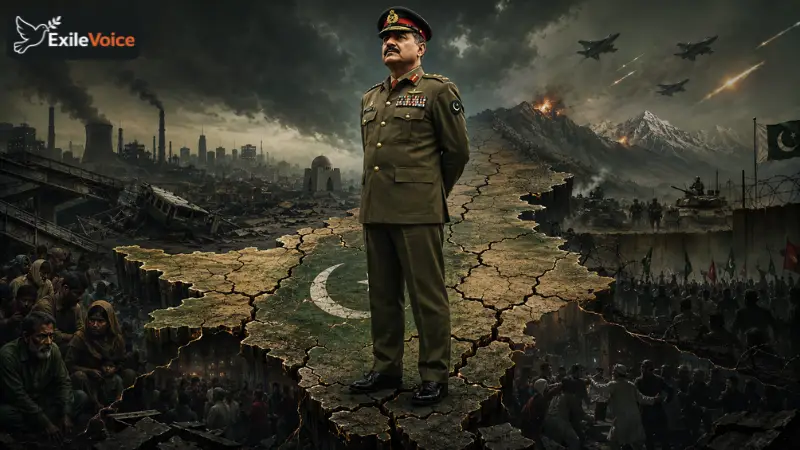
The current political landscape in Pakistan presents a striking paradox. At the helm of the state stands General Asim Munir, a figure often portrayed as the most powerful strongman the country has seen in decades. He is frequently compared to historical military giants like Ayub Khan, Zia-ul-Haq, and Pervez Musharraf. Yet, beneath this veneer of absolute authority, the Pakistani state appears increasingly brittle, polarized, and fundamentally fragile. The central question facing the nation is whether the current military dominance is a sign of national strength or a mask for systemic decay.
Historically, the vision for Pakistan, as established by its founder Muhammad Ali Jinnah, was that of a constitutional democracy led by civilians. Jinnah, a lawyer by profession, emphasized the divide between the state’s administrative functions and its military components. However, over the last eight decades, Pakistan has transitioned into what many analysts describe as a "national security project." The military has not only become a permanent fixture in governance but has effectively subsumed the state’s identity, prioritizing its own institutional survival over broader national cohesion.
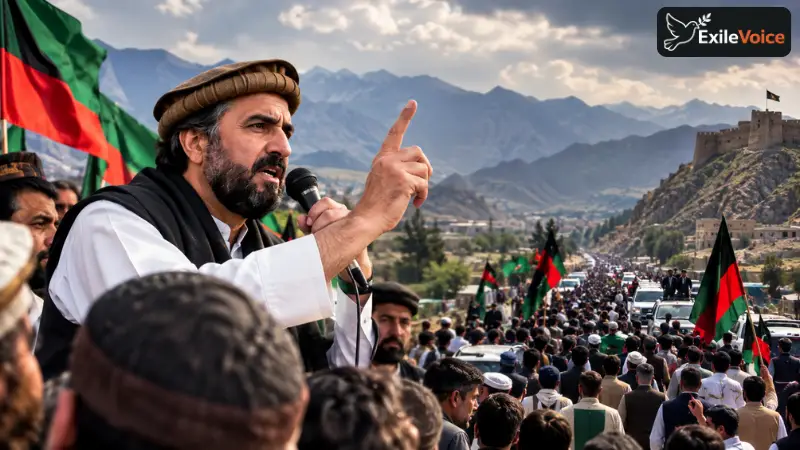
Under the current leadership of General Munir, the country feels managed rather than unified. The state is held together by pressure and institutional glue rather than genuine consensus or healing. This polarization manifests across several fault lines: the political phenomenon of Imran Khan, the historic tension between Punjab and the other provinces, and deep-seated ethnic grievances involving the Baloch, Pashtun, and Muhajir communities. Furthermore, the divide between the economic "haves" and "have-nots" has reached a boiling point, exacerbated by a fiscal reality that sees the military’s budget grow while the national economy falters.
One of the primary tools used to bolster the current regime's legitimacy was the recent 88-hour military engagement with India. While the military establishment celebrates this as a definitive victory that "blunted" Indian aggression, independent analysis suggests a more nuanced reality. While Pakistan demonstrated tactical skill in the air and utilized effective narrative discipline, the conflict also exposed glaring vulnerabilities. The use of Brahmos missiles by India revealed significant gaps in Pakistan's air defense systems. Moreover, the economic disparity is staggering; India’s defense spending now outpaces Pakistan’s by nearly tenfold.
Internationally, the military establishment has sought relevance by positioning itself as a mediator in regional conflicts, particularly between the U.S., Israel, and Iran. This "transactional" diplomacy has gained General Munir access to global leaders like Donald Trump, but critics warn that a White House lunch is not a durable strategic policy. Regional allies like the UAE are increasingly viewing their relationships through a black-and-white lens, prioritizing ties with Washington and New Delhi over Islamabad. This shift has real-world consequences for Pakistan, including increased pressure on its expatriate labor force and a potential decline in vital remittances.
Ultimately, the military's current dominance may be self-defeating. By suppressing independent journalism and political opposition, the establishment has created an echo chamber that ignores the country's internal rot. As historical precedents show, the military often tolerates its chiefs only as long as they deliver institutional benefits. When the "glitter and gold" of tactical victories and diplomatic spotlights fade, the underlying fragility of the state will remain, posing a significant threat to Pakistan's long-term stability.