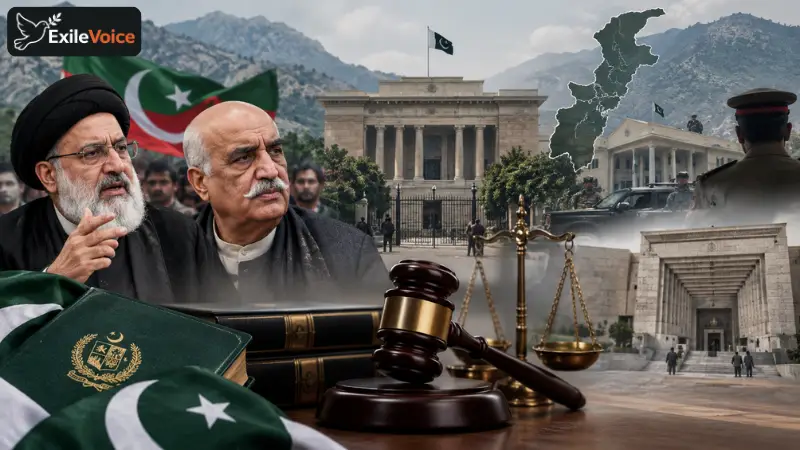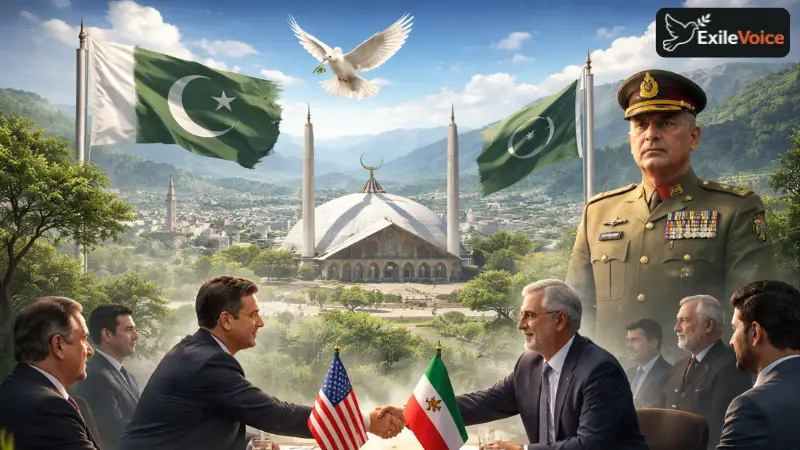
The geopolitical landscape of South Asia and the Middle East is witnessing a seismic shift as Islamabad emerges as the unlikely epicenter of global diplomacy. Long characterized by its internal volatilities, Pakistan is now being reframed by international observers as the "New Oslo" or a "New Switzerland." This transformation is underscored by the confirmation of a high-stakes second round of negotiations between senior United States and Iranian officials scheduled for Monday in Islamabad.
This diplomatic maneuver is not merely a flash in the pan but part of a sophisticated "Deft Diplomacy" strategy. Historically, Pakistan has played the role of a silent conduit, most notably facilitating the 1971 opening between the U.S. and China via a secret flight from Islamabad. Today, the stakes involve preventing a regional conflagration. The first round of talks successfully secured a 15-day ceasefire, a move that stabilized global oil markets and provided a much-needed political reprieve for the Trump administration.
However, the role of "Peace Maker" comes with profound irony. International analysts, including those from The Economist and The Guardian, have pointed out that Pakistan is both the architect of the problem and the potential solution. It is widely acknowledged that Pakistan’s nuclear establishment, spearheaded by the late Dr. A.Q. Khan, provided the foundational centrifuge technology to Iran in the late 1980s and early 1990s. Now, decades later, the same state is facilitating the dismantling of the tensions arising from that very proliferation.
The success of this diplomatic "sixer" (a cricket-inspired term for a grand success) is largely attributed to the hybrid governance model currently in play. While Prime Minister Shehbaz Sharif manages the civilian front, General Asim Munir is increasingly viewed by Western capitals as the "man who can deliver." International media outlets like Bloomberg and The New York Times have highlighted Munir’s central role, noting that the military’s stabilizing hand is what gives the U.S. and Iran the confidence to negotiate on Pakistani soil.
Despite the international accolades, there is a domestic warning: the "Strategic Curse." The prestige gained from successful foreign policy often allows the ruling elite to bypass necessary internal structural and economic reforms. As Pakistan enjoys its moment in the global spotlight, the challenge remains whether this diplomatic capital can be converted into long-term domestic stability or if it will remain a temporary "ephemeral" triumph used to appease international lenders and secure short-term investments from allies like Saudi Arabia.