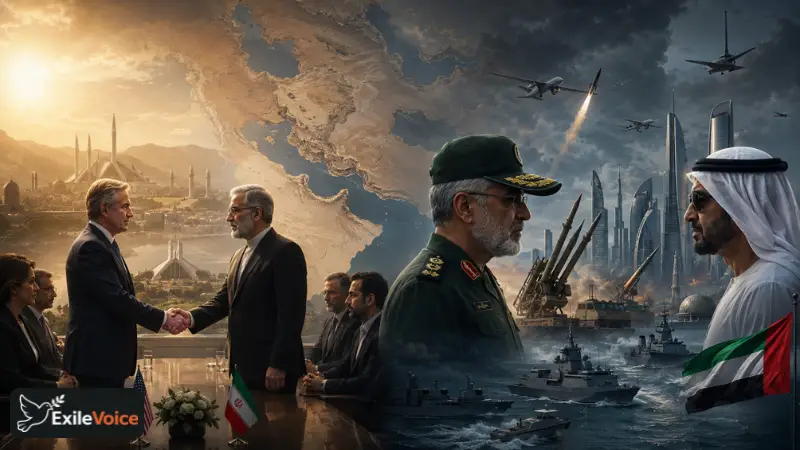
The Middle East is witnessing a complex reconfiguration of alliances and enmities, driven by a surprising "bromance" between the Trump administration and the Iranian leadership. After decades of maximum pressure and proxy wars, a "one-pager" agreement is currently being negotiated that could redefine regional security. This potential "Islamabad Accord" highlights the pivotal role Pakistan is playing as a mediator between Tehran, Washington, and Riyadh. The proposed framework suggests a temporary suspension of Iran’s nuclear enrichment in exchange for the lifting of US blockades, marking a significant departure from previous confrontational stances.
The nuances of this de-escalation are striking. Despite sporadic "love taps", mall-scale kinetic exchanges between US and Iranian forces, both sides appear committed to maintaining a ceasefire. Iran has indicated, for the first time, a willingness to discuss its nuclear program and ease its "chokehold" on the Strait of Hormuz. This shift is not just diplomatic; it is reflected in the internal optics of the Iranian regime. The rare public appearance and meeting between Supreme Leader Khamenei and President Masoud Pezeshkian signal a unified front in navigating these high-stakes negotiations with the West.
However, as US-Iran tensions show signs of thawing, a new and perhaps more dangerous front is opening: the rivalry between Iran and the United Arab Emirates (UAE). Tehran’s ire is increasingly focused on Abu Dhabi, not just for its normalization of ties with Israel but for its deep defense integration with the Jewish state. The UAE is currently the only Arab nation to have deployed the Israeli "Iron Dome" missile defense system on its soil, operated by Israeli personnel. This dependency on Israeli military technology has labeled the UAE as Iran's primary long-term adversary in the Persian Gulf.
This shifting dynamic leaves other regional players in a delicate position. While Saudi Arabia has moved toward a more normalized relationship with Iran, thanks in part to Pakistani mediation, the UAE remains isolated in its hawkish stance against Tehran. Iranian officials, including former Foreign Minister Javad Zarif, have issued stern warnings regarding the presence of US military bases in the region, advocating for a localized security architecture that excludes Western powers. As the US considers a partial withdrawal or "pivot," the vacuum is being filled by a localized arms race, evidenced by Turkey’s development of Intercontinental Ballistic Missiles (ICBMs) capable of reaching deep into Europe and the Middle East. The "Indo-UAE-Israel" nexus is now viewed by Tehran as the primary threat to its regional hegemony, setting the stage for the next decade of Middle Eastern conflict.