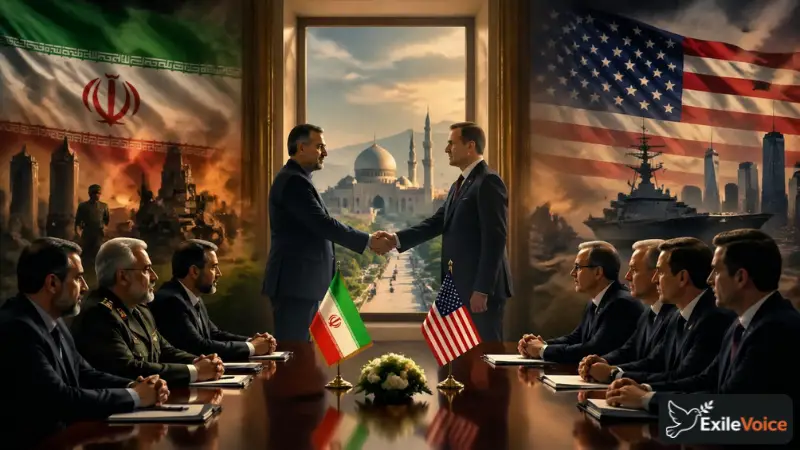
The geopolitical landscape of the 21st century is undergoing a seismic shift as the historic animosity between Iran and the United States finds a new, albeit complex, diplomatic theater in Islamabad. As of late April 2026, Pakistan’s capital has emerged as the focal point of international diplomacy, hosting high-stakes movements that could determine the trajectory of regional peace. The arrival of Iranian Foreign Minister Dr. Abbas Araghchi in Islamabad, followed by the anticipated visit of U.S. envoys Steve Witkoff and Jared Kushner, signals a departure from traditional mediation hubs like Muscat or Geneva.
Historically, the Sultanate of Oman served as the primary conduit for "shuttle diplomacy" between Washington and Tehran. However, recent developments indicate that the "Oman Model" is being replicated and perhaps expanded within Pakistan. The Iranian leadership, facing internal complexities including reports of an injured Supreme Leader, has opted for a highly structured, indirect communication method. By utilizing Pakistan’s military leadership, specifically Field Marshal Asim Munir, as a bridge, Iran is ensuring that every diplomatic exchange is documented and verified without the political "noise" of face-to-face meetings with U.S. officials.
This elevation of Pakistan is not merely a matter of geography but a reflection of trust in its military-diplomatic apparatus. The Iranian side has been remarkably consistent, treating the current tensions as an existential conflict rather than a mere political dispute. While the U.S. administration under Donald Trump seeks a swift resolution to fulfill domestic promises, Iran demands substantive sanction relief and guarantees that transcend verbal promises. The "Chinese torture test" of diplomacy is currently in play, where Iran uses its steadfastness to force the U.S. into restraining Israeli aggression.
For Pakistan, this role brings both prestige and peril. On one hand, it reaffirms Pakistan’s status as a pivotal state capable of balancing relations between a traditional Western ally and a crucial neighbor. On the other, the stakes involve navigating the "False Flag" risks and the volatile internal politics of the U.S. and Israel. As the U.S. Senate-unconfirmed envoys Kushner and Witkoff travel to Islamabad, the world watches to see if Pakistan can successfully facilitate a "Zero Enrichment" deal or if the region will succumb to the escalatory pressures currently mounting at the borders of Lebanon.