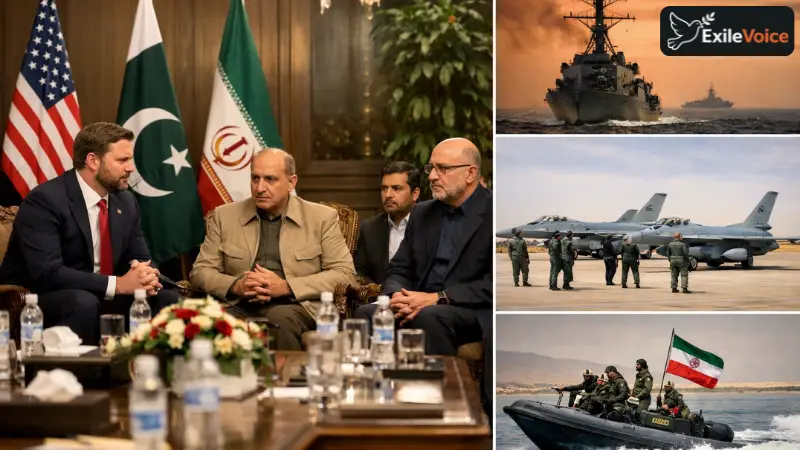
The diplomatic corridors of Islamabad recently became the epicenter of global attention as high-level delegations from the United States and Iran convened for intensive, 16-hour negotiations. Led by U.S. Vice President JD Vance and high-ranking Iranian officials, including Parliament Speaker Mohammad Bagher Ghalibaf and Foreign Minister Abbas Araghchi, these talks represent a critical juncture in the Middle East conflict. However, beneath the polished optics of "peace-making," a more complex and potentially more predatory strategic landscape is emerging.
While the world’s media was largely sequestered in a convention center, away from the sensitive discussions at the Serena Hotel, the "optics" were undeniably positive for Pakistan. For a nation often grappling with a sense of international insecurity, acting as the bridge between two bitter rivals provided a significant boost to national morale. Prime Minister Shehbaz Sharif occupied the limelight, though analysts note that the real power repository, the military leadership, remained conspicuously in the shadows of the media coverage.
Despite the veneer of diplomacy, several "disturbing optics" suggest that this pause in hostilities might be less of a peace treaty and more of a strategic maneuver by the Trump administration. While negotiations were underway, U.S. warships from Central Command (CENTCOM) reportedly crossed the Strait of Hormuz from east to west. This assertive action, which occurred while Iran’s top diplomats were effectively "locked" in a room in Islamabad, shattered the psychological bubble of Iranian control over this vital maritime artery. The Iranian Revolutionary Guard Corps (IRGC), normally quick to react to such incursions, was paralyzed by the ongoing diplomatic process, unable to take decisive action without jeopardizing the talks.
Furthermore, the deployment of Pakistan Air Force (PAF) contingents to King Abdulaziz Air Base in eastern Saudi Arabia adds a layer of contradiction to Pakistan's claim of being a "neutral arbiter." This move, appearing as an aggressive gesture aimed directly at Iran, suggests that Pakistan may be acting more as an extension of Donald Trump’s regional influence rather than an independent mediator.
The central question remains: Is Iran falling into a "Mission Impossible" trap? The 15-day ceasefire may be providing the U.S. and Israel with a strategic pause to achieve objectives that were unattainable on the battlefield. For Tehran, the primary motivator remains the relief from crippling primary and secondary sanctions. With an estimated $300 billion to $1 trillion in structural damage from recent hostilities and an economy suffocated by decades of restrictions, the Iranian regime is negotiating from a position of extreme exhaustion. If the Islamabad talks fail to deliver meaningful sanctions relief, the "peace" may simply be the precursor to a more intensive phase of the conflict.