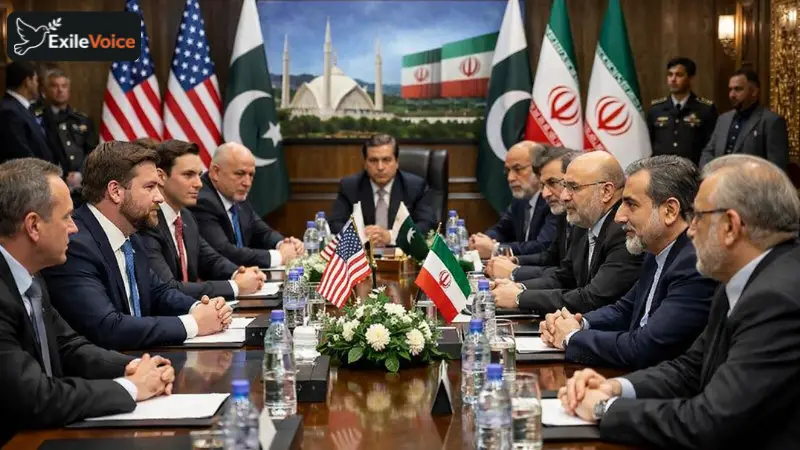
The geopolitical landscape of South Asia is currently witnessing a historic diplomatic maneuver as Islamabad transforms into a high-security neutral ground for critical negotiations between the United States and Iran. With the arrival of U.S. Vice President JD Vance and a high-level Iranian delegation, the stakes have never been higher for regional stability. This meeting, facilitated by Pakistan, aims to address long-standing tensions and potential ceasefire agreements that could redefine Middle Eastern security.
The American delegation is particularly noteworthy. Led by JD Vance, it includes Steve Witkoff, a key figure in the Trump administration's inner circle, and Jared Kushner. The inclusion of Witkoff and Kushner is significant due to their previous involvement in back-channel negotiations with Iran via Oman. However, this history carries baggage; Iranian officials have previously expressed a lack of trust in these specific mediators following past breakdowns in communication that led to military escalations. Vance, on the other hand, presents a more complex figure. While his public stance aligns with the administration's "tough on Iran" posture, his private history suggests a deep-seated aversion to prolonged military conflicts, potentially positioning him as a more pragmatic voice in the room.
On the Iranian side, the presence of the Speaker of the Iranian Parliament and Foreign Minister Abbas Araghchi signals Tehran's seriousness. Araghchi, a seasoned diplomat with extensive experience in nuclear negotiations, provides a sharp contrast to Vance’s relatively new political career. This disparity in diplomatic tenure often creates a volatile negotiation environment where veteran strategy meets ideological shifts.
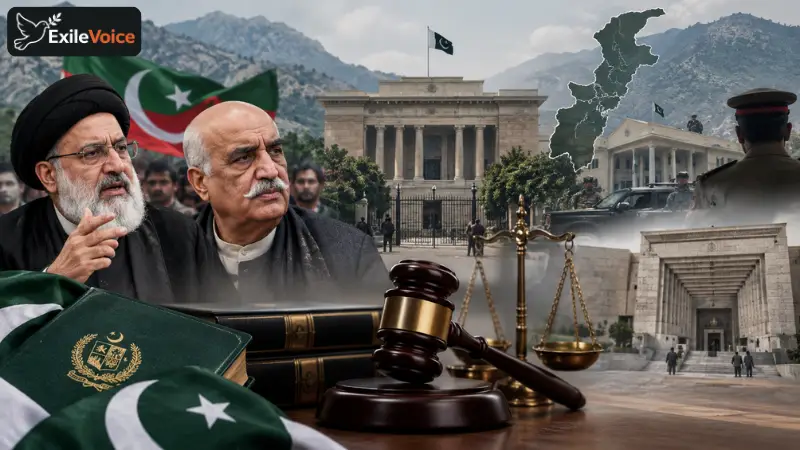
Pakistan’s role as the host is a delicate balancing act. The government has gone to great lengths to "rebrand" Islamabad for the world stage, with digital screens and international flags lining the streets. However, the internal atmosphere remains tense. While the Foreign Office has offered visa-on-arrival status to American and Iranian journalists to ensure global coverage, domestic media outlets have reportedly been instructed to limit their analytical commentary, highlighting the government’s desire to maintain a strictly controlled narrative.
As the delegations sit down to define the "rules of the game," the world watches. The success of these talks depends on whether the participants can move beyond past betrayals and find a common framework for de-escalation. For Pakistan, the event serves as a platform to prove its diplomatic relevance, despite its internal economic and political challenges.