

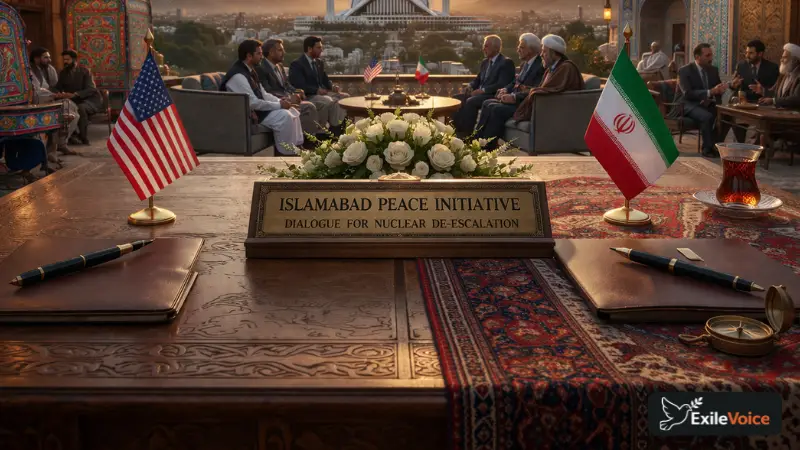
Pakistan is increasingly positioning itself as a central diplomatic hub in the escalating tensions between the United States and Iran. With the potential return of a Trump-led administration and current shifts in regional dynamics, Islamabad has formally offered to host and mediate talks. This move marks a significant pivot for Pakistan’s foreign policy, transitioning from a state often isolated by its internal crises to one seeking the role of a regional "peace broker." The offer, highlighted by Prime Minister Shehbaz Sharif and purportedly acknowledged by Donald Trump through social channels, suggests a high-stakes gamble by the Pakistani military and civilian leadership to regain international relevance.
The strategy behind this mediation is multi-faceted. For the Pakistani military establishment, led by Chief of Army Staff General Asim Munir, delivering a diplomatic breakthrough would be a "payday" in terms of international legitimacy. Over the past year, the military has invested heavily in understanding and aligning with the transactional nature of the Trump circle. By positioning itself as the only Muslim, non-Arab nuclear power capable of talking to both sides, Pakistan aims to secure economic concessions and a reprieve from Western pressure regarding its domestic human rights record.
However, the path to successful mediation is fraught with skepticism. While the U.S. has signaled a "yellow light", acknowledging negotiations without confirming the venue, Iran remains cautious. Tehran's hesitation stems from previous experiences where negotiations were used to buy time for military build-ups. Reports indicate that while Pakistan has passed a 15-point document from U.S. associates to Iranian officials, Iran has specifically rejected certain intermediaries, such as Steve Witkoff and Jared Kushner, due to their perceived roles in past escalations. This tension underscores the difficulty of the task; Pakistan must not only provide a venue but also act as a credible guarantor in an environment of deep-seated mistrust.
The regional implications are also profound. India, which has invested heavily in Iranian infrastructure like the Chabahar port, finds itself sidelined in this specific diplomatic "chat." The rivalry between Islamabad and New Delhi continues to flavor the discourse, with Indian commentators expressing concern over Pakistan’s sudden elevation to a mediator role. If Islamabad succeeds, it could fundamentally alter the balance of power in South Asia, moving Pakistan from the periphery to the center of Middle Eastern security architecture. Yet, the question remains: can a state facing such intense internal economic and political fragility truly project the strength required to bridge the gap between two of the world's most antagonistic powers?

