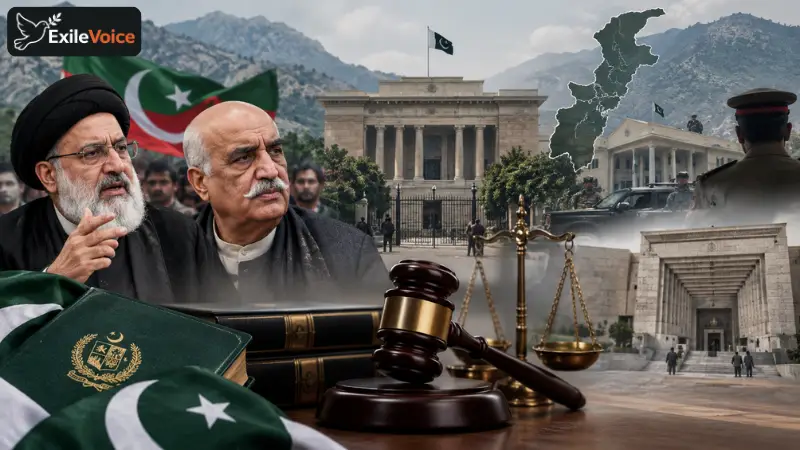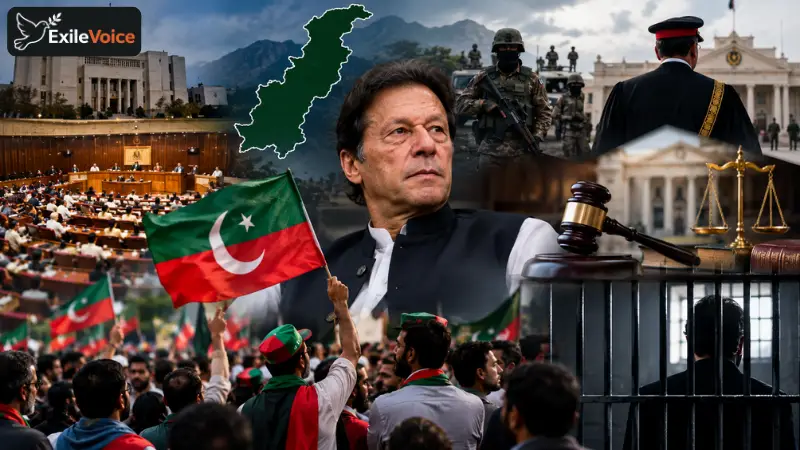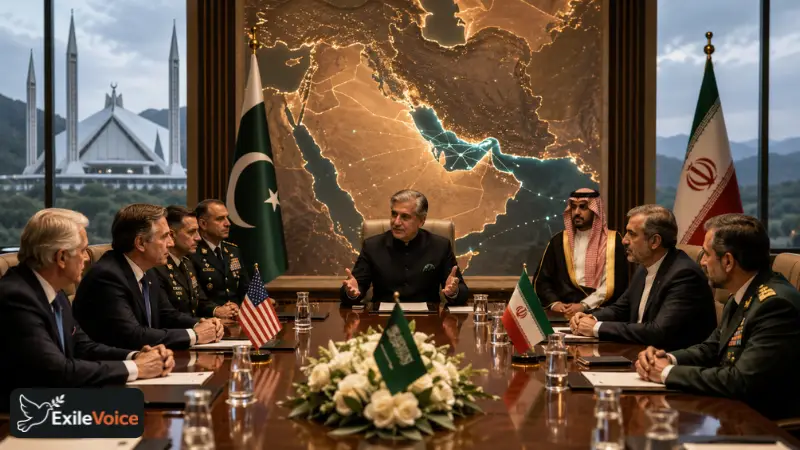
In a dramatic shift of global diplomacy, Pakistan has emerged as the central mediator in what is being described as the endgame of the current U.S.-Iran hostilities. Only a year ago, Pakistan’s international standing seemed relegated to the periphery of global headlines. However, as the Trump administration moves closer to de-escalating military operations in the Middle East, Islamabad has transitioned from a passive observer to a critical "backchannel" power player.
The crux of this diplomatic breakthrough lies in a "one-pager" proposal originating from the office of General Asim Munir. This document, which has been circulated between Washington and Tehran, outlines a two-step normalization process. Unlike previous failed negotiations that attempted to solve all disputes simultaneously, the Islamabad-led framework prioritizes an immediate cessation of hostilities and the lifting of naval blockades before addressing the complex issue of nuclear enrichment.
Reports indicate that Donald Trump has explicitly acknowledged Pakistan’s influence, even pausing "Project Freedom", a high-stakes military escort mission for commercial vessels, at the request of Pakistani leadership. This pause has provided the necessary "breathing room" for Iran to consult with its strategic partners, including China and Russia, regarding the terms of the proposal.
The significance of Pakistan’s role is further underscored by its coordination with Saudi Arabia. By forming a "Pincer Move" of diplomatic pressure alongside Riyadh, Pakistan has managed to convince the U.S. that a military solution would be catastrophic for regional energy corridors. This "Khaki Diplomacy" has effectively silenced critics who viewed Pakistan as a mere "postman." Instead, the country has leveraged its military-to-military ties and geographic proximity to become an indispensable broker of peace in the Strait of Hormuz.