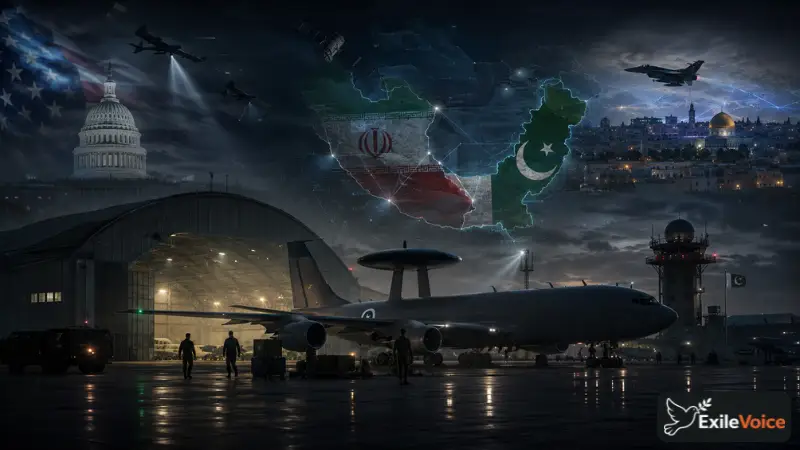
The geopolitical landscape of South Asia and the Middle East has been jolted by a high-stakes investigative report from CBS News, alleging a clandestine military cooperation between Pakistan and Iran. According to the report, Pakistan has permitted Iran to station sensitive military assets, specifically R-730 surveillance aircraft, at the Nur Khan Airbase. This move is interpreted as an attempt to shield these assets from potential Israeli or American precision strikes amid escalating regional tensions.
While the Pakistani Foreign Office has issued a swift and categorical denial, labeling the report as "baseless" and asserting that any Iranian aircraft present are part of routine diplomatic transport, the fallout in Washington tells a different story. U.S. Senator Lindsey Graham, a close ally of the Trump administration, has called for an immediate investigation into these claims. Graham’s skepticism is rooted in Pakistan's historical "track record," drawing parallels to the discovery of Osama bin Laden in Abbottabad, a point that continues to haunt Pakistan’s credibility in the West.
Simultaneously, Israeli Prime Minister Benjamin Netanyahu has accused Pakistan of orchestrating sophisticated digital campaigns against Israeli interests from "basements in Pakistan." These twin developments suggest a coordinated shift in international pressure. For the Pakistani establishment, the alleged "honeymoon period" with the current U.S. administration appears to be fracturing. The strategic ambiguity that Pakistan has long maintained between Tehran and Washington is becoming increasingly difficult to sustain. If these leaks are part of a broader "pressure campaign," Pakistan may soon find itself serving as a geopolitical scapegoat in a rapidly polarizing global order.