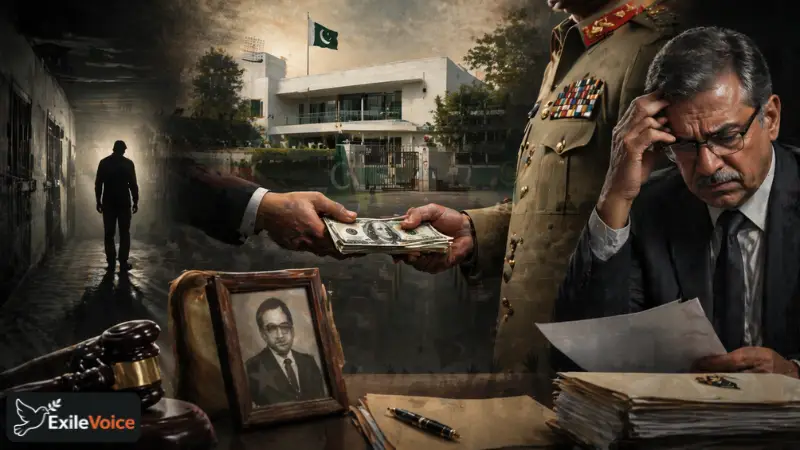
In the annals of Pakistani diplomacy, few stories are as harrowing as the case of the Jakarta embassy sale. This historical scandal, which has resurfaced amidst new discussions on military-diplomatic appointments, serves as a grim reminder of how institutional power can be used to silence dissent and reward irregularities. The case involves the unauthorized sale of a state asset and the subsequent destruction of a career dedicated to protecting that very asset.
The Unauthorized Transaction
The core of the scandal dates back to the early 2000s, during the era of General Pervez Musharraf. Major General (Retd) Syed Mustafa Anwar, then serving as Pakistan's Ambassador to Indonesia, reportedly authorized the sale of the embassy building in Jakarta for approximately $3.3 million. The sale was conducted without the mandatory public advertisements and competitive bidding processes required for the disposal of state property. In any professional diplomatic service, the sale of a sovereign building is a matter of intense scrutiny; here, it was handled with the opacity of a private deal.
The Tragedy of S.M.H. Rizvi
The hero, and ultimate victim, of this story was S.M.H. Rizvi, a dedicated Foreign Office official stationed in Jakarta at the time. Rizvi did what any ethical civil servant is trained to do: he raised a red flag. He pointed out the gross violations of government rules and the potential financial loss to the national exchequer.
Instead of being rewarded for his integrity, the state’s response was chilling. Following an internal inquiry, the focus shifted from the "seller" to the "whistleblower." Rizvi was accused of damaging the country's reputation by making the matter public. He was suspended, made an Officer on Special Duty (OSD), and subjected to years of professional marginalization and public humiliation.
The Price of Silence
The human cost of this scandal was ultimate. S.M.H. Rizvi passed away in 2010, after nearly a decade of fighting to clear his name and seeking justice that never arrived. It was only after his death, and after the end of the Musharraf regime, that subsequent committees acknowledged the "great injustice" done to him. However, acknowledgments are not reparations. To this day, the principal figure behind the sale, Major General Anwar, has faced no significant legal repercussions, nor have the funds been recovered
Institutional Implications
This case highlights a systemic flaw in the accountability mechanisms of Pakistan's diplomatic and administrative services. When "reputation" is valued over "rectitude," the message sent to civil servants is clear: silence is safer than integrity. As Pakistan continues the practice of appointing retired military officials to key diplomatic posts, the Jakarta scandal serves as a cautionary tale. Without robust, transparent, and independent oversight, the risk of "selling the embassy", literally or figuratively, remains a persistent threat to the national interest.