The narrative surrounding Pakistan’s internal security operations has increasingly come under intense international and domestic scrutiny, focusing on the human cost of current state policies. From the isolated conditions of political detainees to the alarming reports of civilian casualties in border regions, the definition of "state security" is being challenged by the reality of on-the-ground outcomes.
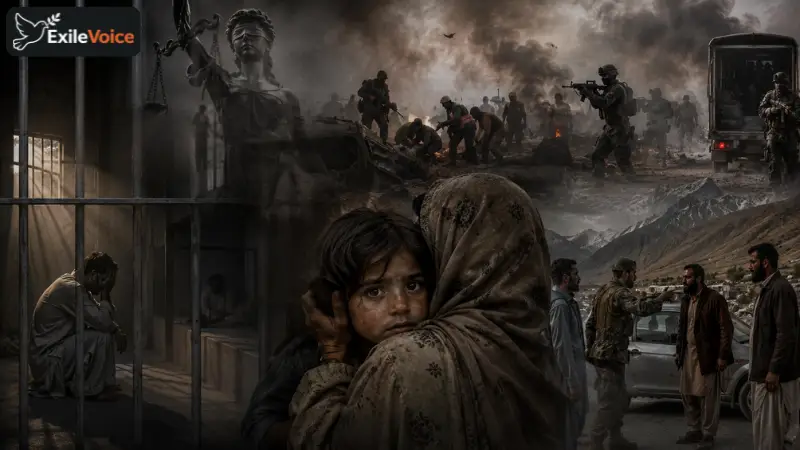
Recent reports, including those referencing international observers, have highlighted the disturbing rise of "double-tap" tactics in security operations. This methodology, striking a target and then attacking the first responders or civilians gathering to assist the injured, has been widely condemned as a violation of international humanitarian norms. Such actions, often aimed at neutralizing perceived threats, have reportedly resulted in significant civilian deaths, including women and children, raising serious questions about the ethics and efficacy of these security policies.
Parallel to these reports are the conditions within the justice and prison systems. Accounts from legal representatives of high-profile political figures indicate a regime of solitary confinement that denies access to basic human contact, family members, legal counsel, and even minimal educational materials. This systemic exclusion from the outside world has transformed from a matter of judicial process into a point of intense public and familial concern, with observers noting a palpable sense of unease even within the judicial ranks themselves.
Furthermore, the regional divide is becoming increasingly fraught. The frustration of citizens attempting to move between provinces, only to face prejudice and violence based on nothing more than their vehicle registration or regional identity, paints a grim picture of a fractured national fabric. The plea of a grieving father, urging others not to travel to regions where security is not guaranteed, underscores a profound loss of faith in the state’s ability to protect its own citizens.
These issues are not isolated; they represent a broader trend where the state's pursuit of a "hard" image creates deep social and political fissures. The international community, including bodies like the United Nations, is documenting these incidents, ensuring that they become part of the formal record of human rights accountability. For Pakistan, the challenge lies in reconciling its security imperatives with the fundamental rights and safety of its population. The growing chorus of voices, from senior journalists and veteran military officers to ordinary citizens, suggests that the current trajectory is untenable and requires an urgent rethink toward a more inclusive, rights-based approach.