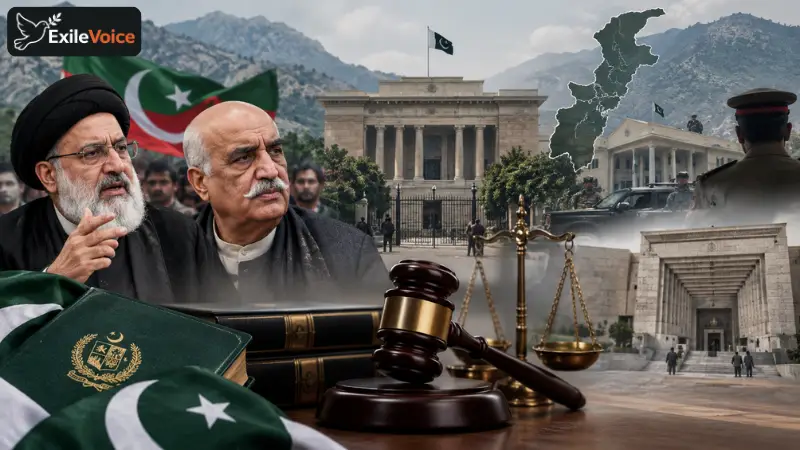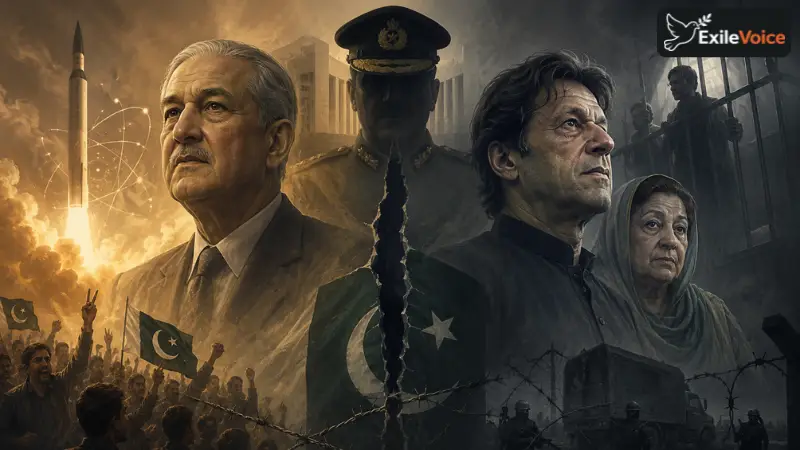
The institutional treatment of foundational figures in Pakistan reveals a recurring and troubling pattern within the state's historical trajectory. National heroes, who have achieved immense public adulation and altered the country's strategic destiny, frequently find their legacies systematically dismantled or constrained during shifts in civil-military power dynamics. This structural reality was starkly demonstrated during the late life of Dr. Abdul Qadeer Khan, the chief architect of Pakistan's nuclear deterrence program, and continues to find echoes in the contemporary political handling of popular national leaders.
On the anniversary of Youm-e-Takbeer, the day Pakistan formally declared its nuclear capabilities in response to regional threats, the state machinery routinely issues celebratory declarations praising the country’s atomic defense matrix. However, these official statements regularly omit the dark historical realities faced by the actual pioneers of the program. Following international pressure and domestic institutional shifts in the early 2000s, Dr. Abdul Qadeer Khan was subjected to severe administrative restrictions, media isolation, and a forced public confession on national television. Archival footage and journalistic documentation reveal a deeply distressing picture: a scientist of international standing being script-managed by state institutions, isolated from the public, and forced to bear sole administrative responsibility for systemic decisions made at the highest levels of the state command structure. Before his passing, Dr. Khan explicitly stated his deep regret regarding his institutional treatment, highlighting the profound emotional and physical isolation imposed upon him by the ruling elite.
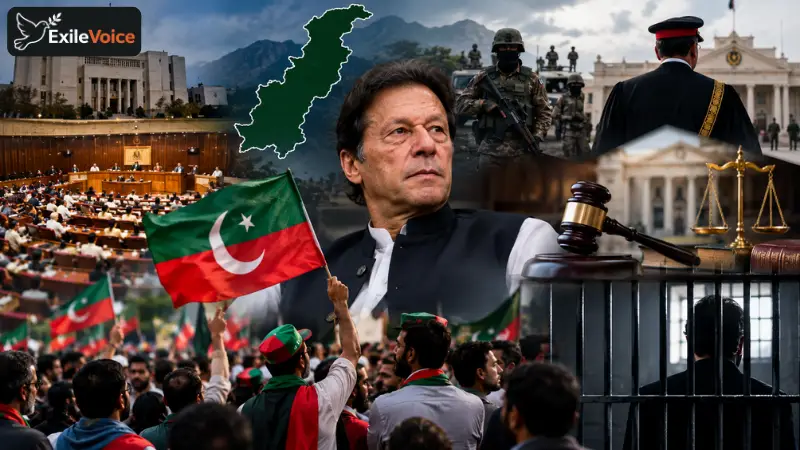
This cyclical pattern of state-sponsored marginalization is not confined to the scientific elite; it extends directly into the contemporary political sphere. Today, a similar institutional approach can be observed in the treatment of former Prime Minister Imran Khan and senior leaders of his political party, such as Dr. Yasmin Rashid. Despite holding significant public support, these figures face intense legal crackdowns, rigorous incarceration conditions, restrictions on family visitations, and systematic erasures from the public square. State institutions frequently employ administrative blockades to isolate popular political leaders, creating a governance model where grassroots popularity is treated as an existential threat to the status quo rather than a source of democratic legitimacy.
The historical continuity from the isolation of Dr. Abdul Qadeer Khan to the present-day legal and physical containment of political dissidents highlights a fundamental systemic characteristic of Pakistan's governance matrix. To protect short-term institutional control and shift blame during geopolitical crises, the ruling establishment consistently sacrifices its most iconic national figures. This methodology effectively ensures that authentic public leadership is systematically curbed, leaving a institutional void where state-mandated narratives increasingly clash with the collective memory and respect of the citizenry.