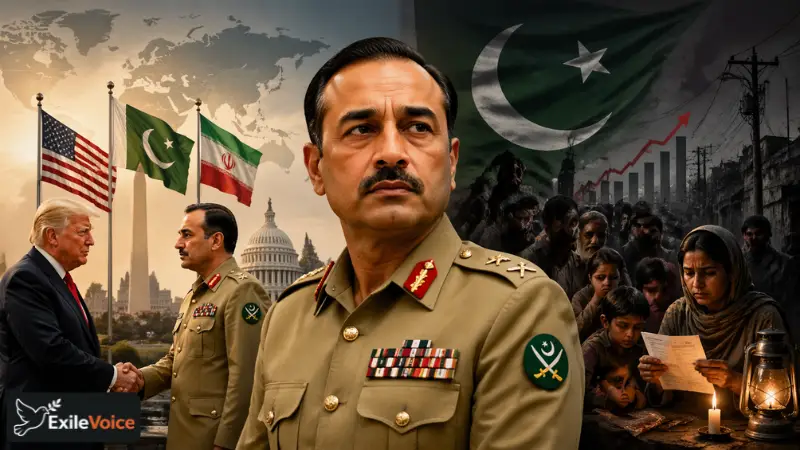
General Asim Munir, Pakistan’s Chief of Army Staff, is currently navigating a distinct "moment in the sun." In the wake of escalating regional tensions between the United States and Iran, Munir has emerged on the global stage as a pivotal mediator. This newfound international prominence is characterized by a "romance" with the Western press, where leading publications like The Economist and Financial Times have dedicated significant coverage to his diplomatic maneuvers.
The most striking endorsement recently came from President Donald Trump, who credited Munir’s direct intervention as a primary reason for a cease-fire extension. This level of real-world influence suggests that Pakistan’s military profile has risen significantly in foreign capitals. However, this global acclaim presents a stark paradox when viewed against the backdrop of Pakistan’s internal domestic reality.
While the international community views Munir as a "fixer" and a disciplined strategist, the domestic narrative is far more troubled. Critical indicators of national health, inflation, job security, and the standard of living, have shown no meaningful improvement. Despite the establishment of the Special Investment Facilitation Council (SIFC) and increased military presence in civilian sectors, the average citizen continues to struggle with soaring utility bills and chronic energy blackouts.
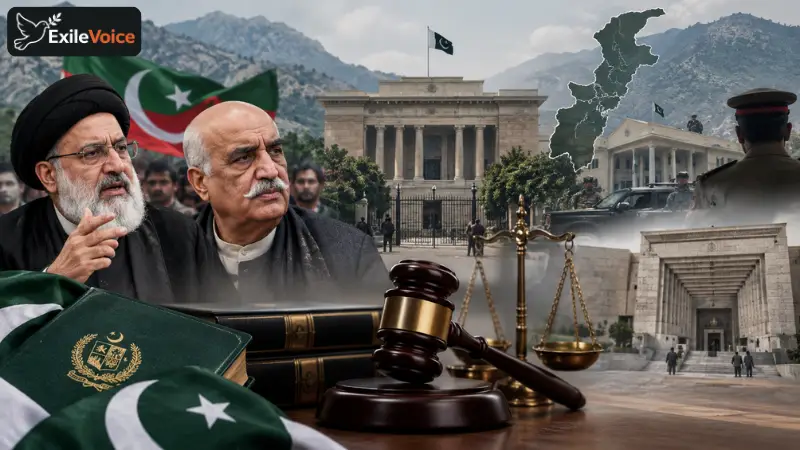
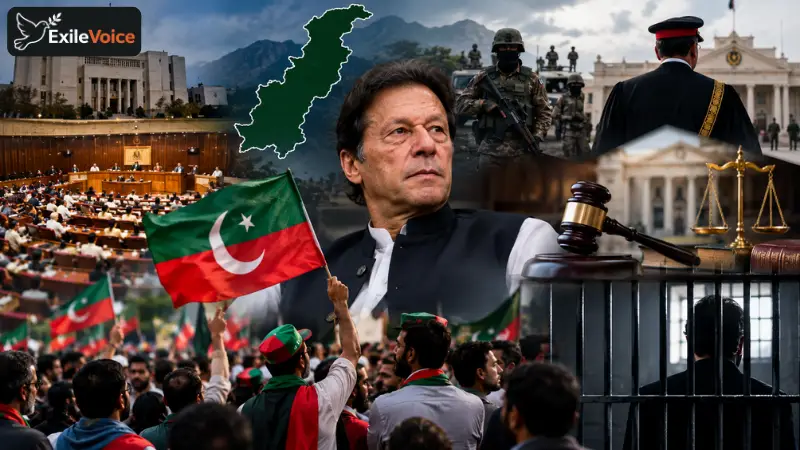
The structural changes within Pakistan’s legal and political framework further complicate Munir's legacy. Recent constitutional amendments have entrenched the position of the Chief of Army Staff, requiring a two-thirds majority for removal compared to the simple majority needed to oust a Prime Minister. This centralization of power, coupled with the "authoritarian bargain" of managing a rubber-stamp parliament, risks creating a system where military control expands whenever diplomatic efforts fail to yield immediate economic relief. Historical precedents, such as the eras of Musharraf and Zia, serve as a reminder that international favor rarely translates into sustainable domestic reform. For Asim Munir, the true test lies not in the headlines of foreign journals, but in the kitchens and classrooms of Pakistan.