The geopolitical landscape of South Asia is undergoing a profound transformation, marked by a shift in how military milestones are commemorated and how hybrid warfare is conducted. Recently, discussions have emerged regarding the significance of May 7, 2025, a date cited as a pivotal moment in aerial engagement between Pakistan and India. According to historical accounts and recent strategic analyses, this date represents a modern iteration of the traditional "Defense Day," reflecting a new era of military readiness and technological integration.
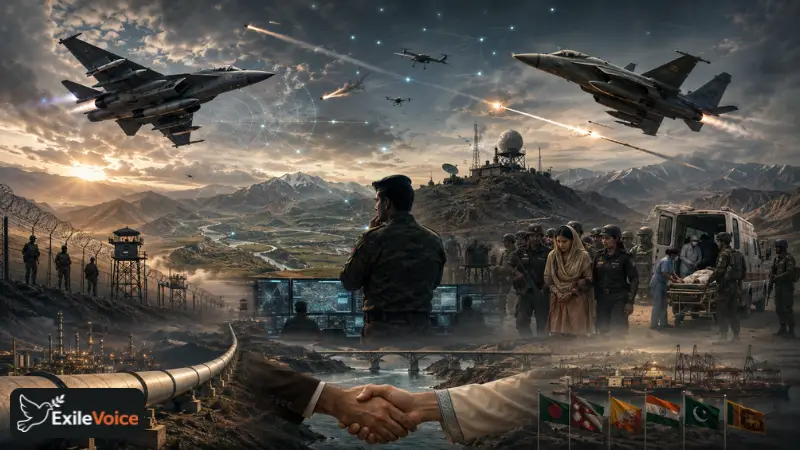
Central to this shift is the deployment of indigenous and advanced technologies in regional conflicts. The integration of the Link 17 system, a Pakistani indigenous electronic coordination tool, alongside the strategic use of PL-15 long-range missiles, has redefined tactical expectations in the region. Unlike older systems, these technologies allow for a level of electronic integration that can bypass traditional intelligence gaps. The success of such systems during high-stakes encounters suggests that the future of regional deterrence lies increasingly in electronic warfare and autonomous coordination rather than just conventional hardware.
However, the narrative of military victory is increasingly intertwined with the internal political stability of the state. The current leadership under Chief of Army Staff General Asim Munir has been thrust into a unique position. While domestic religious and political forums have bestowed titles of historic military success upon the current command, the real-world application of this power is being tested through the lens of civil-military relations. Strategic thinkers argue that for a military victory to translate into national stability, it must be accompanied by a "generosity of spirit" or chivalry, a concept often referred to as shivalry in historical military contexts.
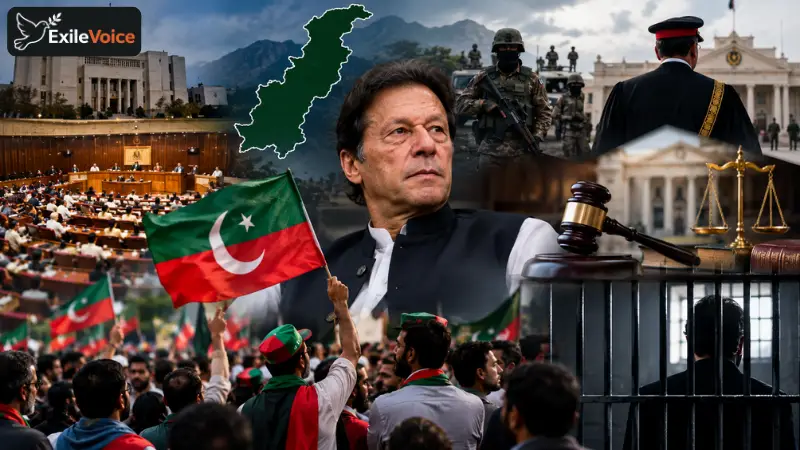
The comparison between contemporary military figures and historical giants like Salahuddin Ayyubi highlights a critical gap in current governance: the treatment of political adversaries. The incarceration of Bushra Bibi, the spouse of former Prime Minister Imran Khan, has become a focal point for international observers and domestic human rights advocates. From a professional standpoint, the health-related transfer of high-profile detainees is a standard practice in mature democracies to prevent the escalation of civil unrest. The failure to address these humanitarian concerns risks overshadowing technical military achievements with a legacy of political retribution.
Furthermore, the economic disparity between regional neighbors cannot be ignored. With a GDP differential of nearly ten-fold between India and Pakistan, the sustainability of a long-term military standoff is increasingly questioned. Professional insights suggest that the most "victorious" path for the current establishment would be the initiation of a comprehensive regional dialogue. Utilizing the current global political climate, specifically the transactional nature of the Trump administration, Pakistan has a unique window to seek sanctions exceptions for energy projects like the Iran-Pakistan pipeline. This would shift the national focus from a state of perpetual "defense readiness" to one of economic revitalization.