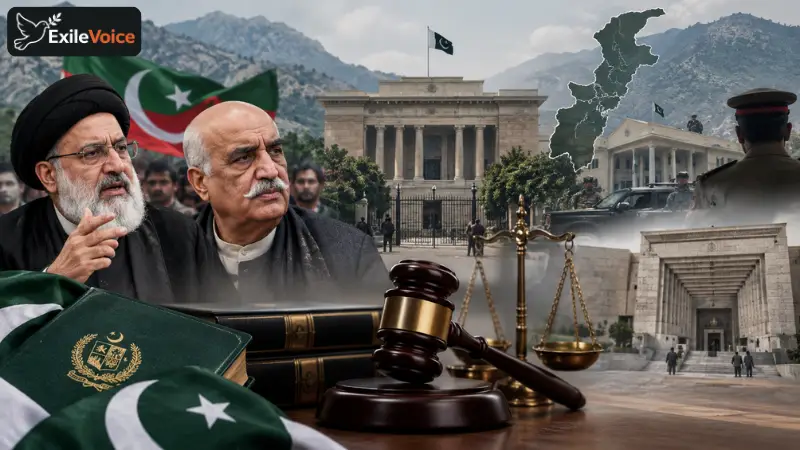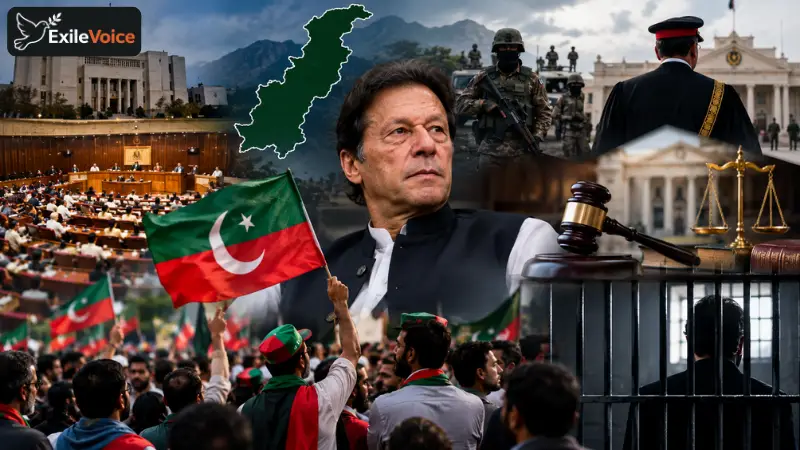
The landscape of political activism in Pakistan has undergone a transformative shift, with social media now serving as the primary battlefield for political influence, mobilization, and narrative control. The Pakistan Tehreek-e-Insaf (PTI) party, once known for its formidable and highly effective social media presence, is currently navigating a period of re-evaluation. While the party retains a strong grassroots connection, evidenced by recent rallies in regions like Chitral and sustained interest in legal proceedings, there is a growing perception that its online strategy may be losing touch with critical on-the-ground developments.
Recent analysis suggests that while the dissemination of memes, old video clips, and posters continues, there is a visible gap in the party's social media output regarding urgent, real-time political advocacy. Activism, in its most effective form, requires a proactive stance on contemporary issues such as judicial proceedings, alleged electoral irregularities, and the mobilization of public opinion against perceived injustices. When a political party’s digital infrastructure fails to highlight these immediate struggles, it risks becoming disconnected from the very base it seeks to represent.
Professional insights emphasize that for a political party to remain relevant, its communication strategy must transcend mere content creation. It must act as a catalyst for advocacy and public awareness. By failing to amplify significant developments in real-time, the party risks losing the momentum generated by its supporters in the field. There is a strong call for the leadership to reorganize its social media operations to better reflect the realities of the current political environment, focusing on clear, advocacy-driven messaging that aligns with the party’s broader political goals.
Ultimately, the power of political movements in the modern era rests on their ability to synchronize digital platforms with physical activism. Ensuring that the house is in order, both in terms of internal coordination and external communication, is vital for any political entity aiming to challenge the status quo and effectively represent the voices of its constituents.