The landscape of Pakistani governance has undergone a seismic shift, moving from a traditional military-civilian divide toward an era of total institutional dominance by the "Establishment." This evolution is not merely a change in leadership but a fundamental restructuring of how power is exercised within the nuclear-armed nation. Historically, the Pakistan Armed Forces were viewed as the ultimate guardians against external threats, most notably the regional rivalry with India. However, the current trajectory suggests a transition where internal political management and economic control have become the primary theaters of operation for the high command.
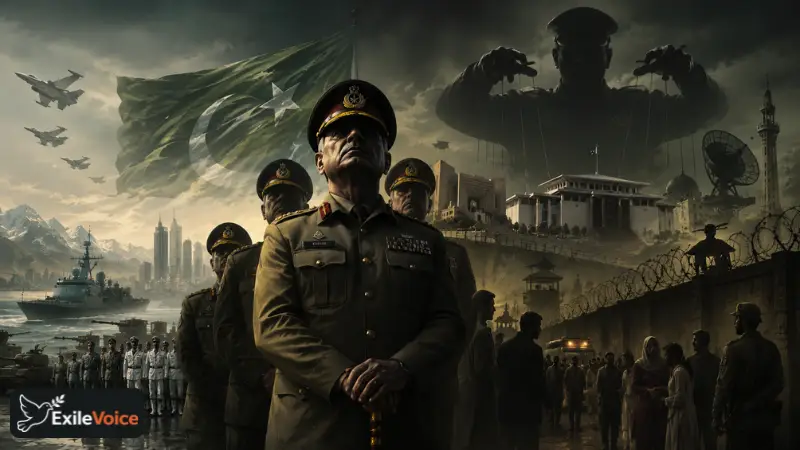
A critical point of analysis is the professional conduct of the various military branches. During recent escalations with India, the Pakistan Air Force and Navy demonstrated high levels of technical proficiency and professional restraint. In an unequal conflict where India possessed a larger budget, more platforms, and superior hardware, the Pakistani response was characterized by agility and superior command and control. The Air Force's ability to maintain a centralized information warfare strategy effectively neutralized India’s "Godi Media" narratives and exposed vulnerabilities in the neighbor’s Beyond Visual Range (BVR) and electronic warfare capabilities. This professional success initially garnered widespread public support, creating a rare window of national unity.
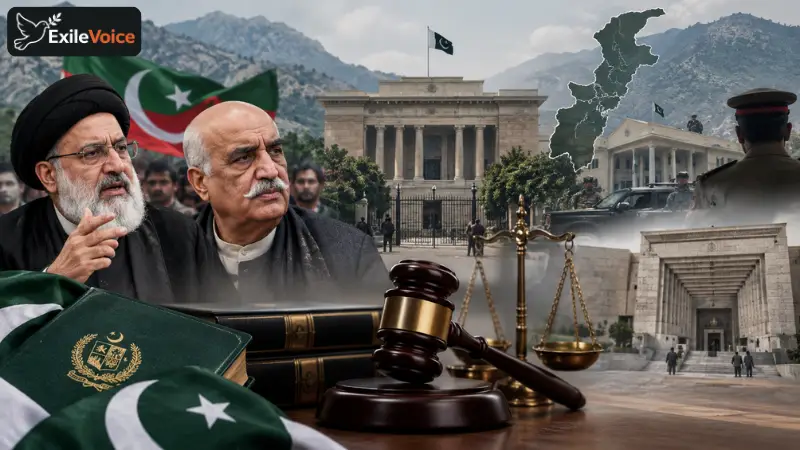
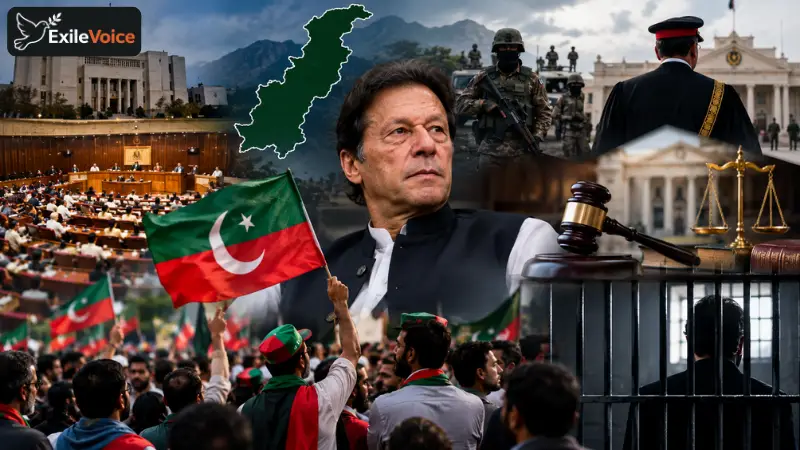
However, that window of unity has rapidly closed as the Army’s leadership transitioned into a more overt political role. The expansion of military influence through the 26th and 27th Constitutional Amendments signifies a formalization of power that transcends traditional security boundaries. This "power grab" has manifested in the suppression of domestic dissent, including crackdowns on political parties like the PTI, the silencing of journalists, and the marginalization of judicial independence. The Establishment’s reach now extends into the very fabric of civil society, with reports of forced evictions, arrests without due process, and the violation of the "chador and char diwari" (sanctity of the home).
Economically, the military’s footprint is expanding into real estate and infrastructure, exemplified by the strategic interest in high-value properties like One Constitution Avenue in Islamabad. Critics argue that while the military excels in short-term tactical operations against external foes, its long-term strategy for internal governance relies heavily on fear and modern-day fascism rather than public consensus. This disconnect is creating a volatile internal environment where local stakeholders, from political opposition to human rights groups, are excluded from the decision-making process. As the military leadership acquires more "stars" and legal immunities, the gap between the institutional interests of the elite and the democratic aspirations of the populace continues to widen, threatening the long-term stability of the state.