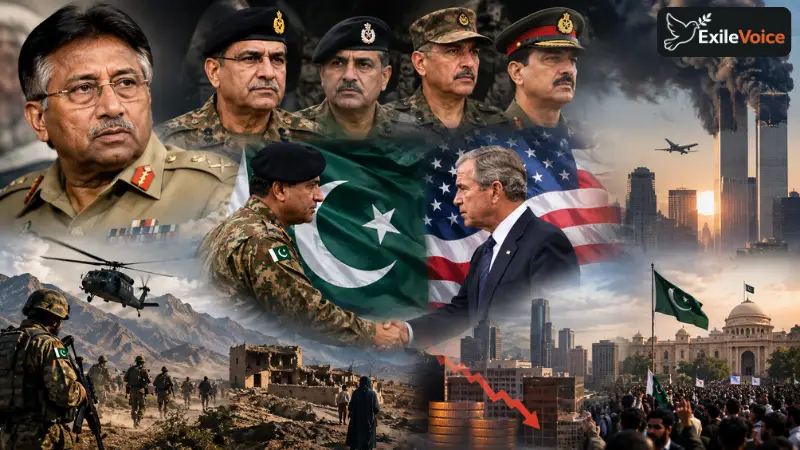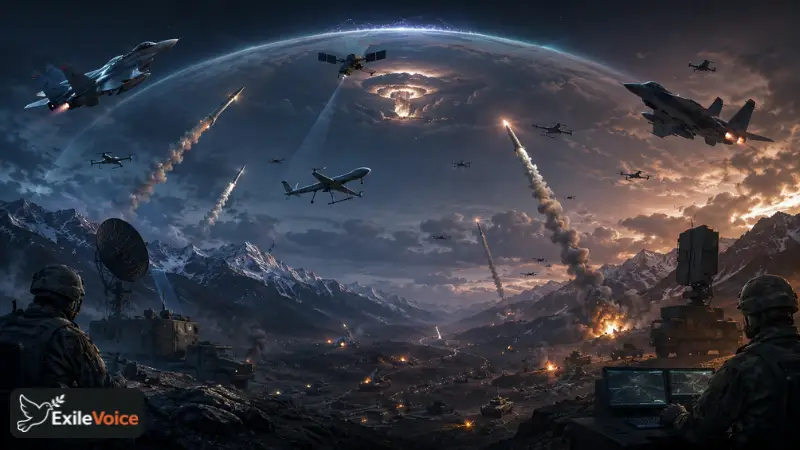
One year has passed since the onset of Operation Sindoor, a conflict that redefined the traditional boundaries of engagement between two nuclear-armed neighbors, India and Pakistan. The escalation, which began in late April following the Pahalgam incident, served as a profound case study in "sub-conventional" warfare. Unlike previous decades where ground incursions were the primary mode of conflict, this engagement was characterized by air superiority battles, the liberal use of long-range missiles, and the debut of sophisticated drone technology in South Asian theater.
The most terrifying realization for international observers is the emergence of a new strategic doctrine: the ability to conduct a sharp, conventional war under the "nuclear umbrella" without tearing it. Historically, the possession of nuclear weapons was thought to be an absolute deterrent against any form of direct state-on-state conflict. However, Operation Sindoor demonstrated that both Islamabad and New Delhi now believe they can manage escalation. They have tested the limits of how much they can bleed each other without triggering a catastrophic nuclear exchange. This "escalation management" relies on back-channel communications and the calculated use of specific weapon systems, yet it remains a high-stakes gamble with the lives of millions.
Military analysts noted a significant shift toward "non-contact" or limited-contact warfare. While both sides claim varying tallies of downed aircraft, with Pakistan recently adjusting its claim to eight Indian jets, the true takeaway is the technological race. The integration of Rafale jets, Sukhoi-30s, and unmanned aerial systems (UAS) has turned the border into a laboratory for modern military tech. Furthermore, the role of external actors like China and Israel in providing satellite intelligence and hardware has internationalized the conflict's technical backbone.
However, despite the tactical maneuvers and the perceived "win" by Pakistan’s establishment in terms of international mediation, the underlying structural issues remain. While tactical victories provide short-term propaganda, the meat of the matter lies in long-term indicators. India continues to hold a massive economic and demographic advantage, maintaining a larger GDP and a more stable educational infrastructure. For Pakistan, the military success of Operation Sindoor has inadvertently solidified the "Establishment's" grip on domestic politics, creating a scenario where military achievements are used to bypass internal democratic and economic crises. A year later, the region remains a powder keg, where the confidence to manage a "small war" might eventually lead to a miscalculation that the nuclear umbrella can no longer cover.